Office Clearance in Woolwich

Office Clearance Woolwich provides a practical, organised service for removing unwanted office items in Woolwich, from a few surplus desks to a full suite clear-out. The focus is on making business spaces easier to hand over, reconfigure or refresh, while keeping the work straightforward for the client. We handle office furniture, equipment and general contents with an emphasis on safe sorting, sensible loading and clear communication throughout the job.
Commercial premises change for many reasons: a lease ends, teams shrink or grow, layouts are revised, or storage areas become overloaded with old items. Our service is designed to help with those transitions by removing items that are no longer needed and separating what can be reused, recycled or disposed of. Office clearance is most effective when the work is planned around access, item types and any building rules, so the process stays efficient and disruption stays low.
For a straightforward enquiry, it helps to have a rough idea of the rooms involved and the sort of items that need moving. Give us the basic scope first, then use the contact route that suits you best if you want a quotation. That way the clear-up can be assessed properly, whether the job is a single suite, shared workspace or a larger mixed-use office area.
Office clearance work for modern workplaces
Office clearances often involve more than simply lifting furniture out of a room. Desks, office chairs, filing cabinets, screens, shelving, partitions and packed storage can all need careful handling, especially in buildings with narrow corridors or shared entrances. A good clearance team works methodically, separating reusable items from general waste and ensuring the site is left in a tidy, workable condition once the removal is complete.
Our office clearance service in Woolwich is suited to businesses that want the space cleared without unnecessary fuss. This may include emptying private offices, meeting rooms, reception areas, back rooms and storage cupboards. Where practical, items are moved in a sequence that helps protect floors and reduce obstruction. The approach is flexible enough for partial clearances as well as more complete office strip-outs, depending on what the site needs.
Items commonly included in office removals
- Desks, tables and meeting furniture
- Office chairs, visitor seating and stools
- Cabinets, drawers, shelving and storage units
- Computers, monitors and other office equipment
- Archived paperwork, packaging and mixed contents
Furniture, equipment and mixed contents
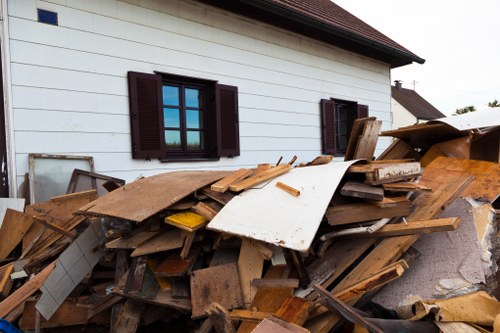
Many office clearances are driven by a change in furniture rather than a complete relocation. Old desks may no longer suit the layout, excess chairs may be stacked away unused, or storage pieces may have built up over time. We can remove individual items or larger groups of furniture, making it easier to clear space without needing a separate contractor for every part of the job. Where the contents are mixed, the team can work through them in an orderly way.
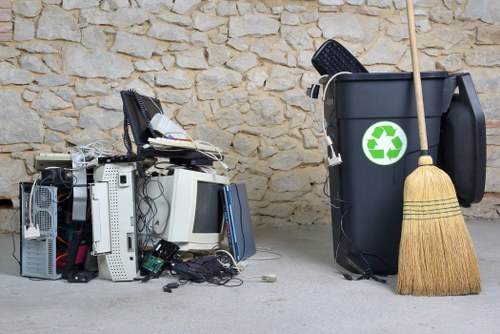
Equipment removal is often a separate concern because offices contain a range of items that are not all treated the same. Monitors, printers, keyboards, phones and other office hardware may need to be handled with care, especially when they are mixed in with furniture or archived files. A sensible office clearance keeps those categories clear, so the items that can be reused, recycled or otherwise processed are not muddled together. That practical sorting supports a cleaner handover.
If your office contains both working items and worn-out ones, it is useful to say so at the quotation stage. Mixed clearances are easier to plan when the contents are described clearly, because the team can allow for the right sort of lifting, separation and loading. You can also mention whether the site has stairs, lifts or access restrictions, as those details affect how the work is scheduled and carried out.
Sorting, loading and responsible handling
Office clearance work is rarely just about removing bulk. It usually involves separating items into sensible streams before they leave the premises. That may include furniture suitable for reuse, materials that can be recycled and general waste that must be dealt with appropriately. A well-run clearance keeps these groups organised from the start, which is particularly helpful in offices where a large amount of mixed material has built up over several years.
We place emphasis on orderly loading and careful handling because office contents can include awkward shapes, fragile surfaces and items with cabling attached. The aim is to avoid unnecessary damage during removal and to leave pathways usable while the job is underway. For business customers, this can make a significant difference when the office still needs to function around the clearance or when a final inspection is due shortly after the work is finished.
Where a workspace contains a large volume of old paperwork or archived material, the work still needs a practical structure. Boxes, cabinets and loose contents can be removed in a controlled way, while the client keeps oversight of any items that need to remain on site. That balance between efficiency and discretion is important in offices that are being reconfigured rather than fully emptied.
Planning an office clearance in Woolwich

Planning matters because every office has its own access points, building rules and item mix. A clear brief helps establish what needs removing, whether there are any priority rooms, and how the work fits around other contractors or building staff. It is also helpful to know if items are on one floor or spread across several levels, as that affects lifting time and the order of removal. A structured plan keeps the clearance practical from start to finish.
For a quotation, two simple details are especially useful: what type of office is involved and what sort of contents need clearing. From there, the scope can be matched more accurately to the job. If photographs or an inventory are available, they can help with the assessment, but a clear written description is also useful. Clear information makes the quote easier to shape and reduces the chance of misunderstandings later on.
Some offices need a fast turnround because a lease handover, refurbishment or move is approaching, while others simply want a gradual reduction in clutter. In either case, the key is to describe the work honestly and precisely. That allows the removal to be organised around the actual contents rather than vague assumptions, and it helps avoid unnecessary disruption on the day.
Office types and clearance decisions
Different office environments call for slightly different approaches. A small professional suite may mainly contain desks, chairs and filing storage, while a larger open-plan floor might include partitions, breakout furniture and several kinds of equipment. We adjust the work to the setting rather than forcing every job into the same pattern. That keeps the clearance efficient and makes it easier to protect items that are staying behind.
Where a business is downsizing, it is often useful to clear the surplus items first and then assess the remaining layout. Where the office is being emptied completely, the priority may be to remove all contents in a way that leaves the space ready for the next stage. In both cases, the same practical rules apply: identify the items, confirm access and remove everything in a careful sequence that suits the building.
An office clearance can also involve contents from ancillary spaces, such as reception storage, supply cupboards and staff rooms. These areas often contain a mixture of furniture, packaging, small appliances and paperwork, so they benefit from the same considered approach as the main working floor. When each area is handled methodically, it becomes easier for the client to see what has gone, what remains and what still needs attention.
About Woolwich
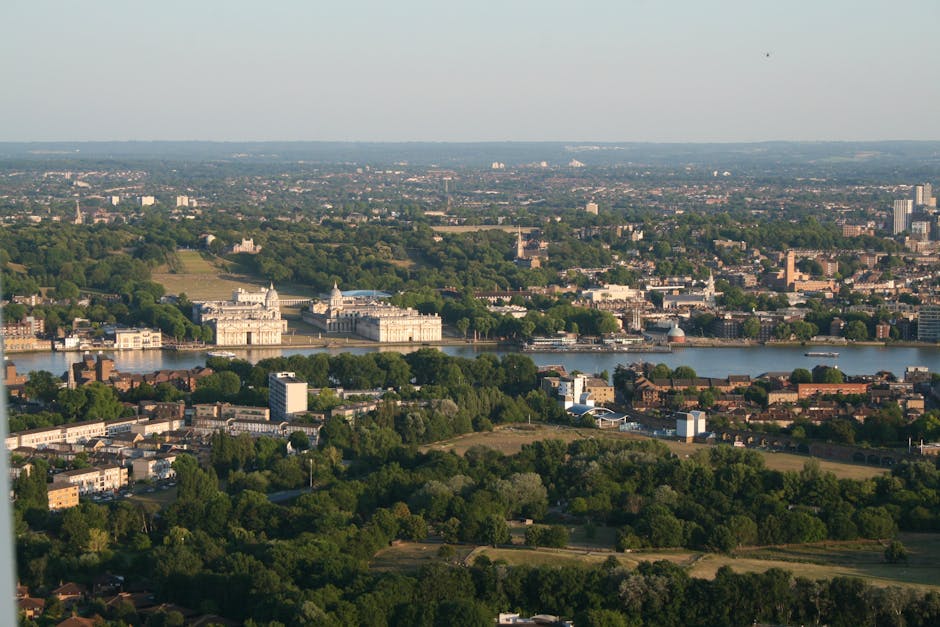
Woolwich is a district in south-east London on the south bank of the River Thames, forming part of the Royal Borough of Greenwich. Its riverside position has shaped its history for centuries, and the area became closely associated with military and industrial activity. The Royal Arsenal, once a major site for armaments manufacturing, remains one of the best-known historic references to Woolwich’s past, while regeneration has introduced new housing, public spaces and amenities around the waterfront and town centre. The district also has a strong transport identity: the Woolwich Ferry has long linked both sides of the river, and the Elizabeth line now places Woolwich within a wider east and central London travel pattern. Historic buildings survive alongside newer development, giving the area a layered appearance rather than a single architectural style. The General Gordon Square area, the old town centre streets and parts of the Thames Path show how civic life, trade and movement have all influenced the district over time. Woolwich Common adds open green space to the urban fabric, while the presence of museums, markets and riverside walks contributes to a varied local character. As a result, Woolwich reads as a place where military heritage, industrial history and contemporary redevelopment sit side by side, with the river remaining one of its most defining features.
Clearance for offices at different stages of change
Office clearance is often part of a wider business change, and the exact need can vary depending on the stage of that change. Some clients want a light clearance that removes a few redundant items before refurbishing the space. Others need a full emptying of rooms before contractors begin work. There are also situations where an office needs to be partially cleared while some teams continue using the building, so timing and sequencing become especially important.
Where the work must be done in stages, it helps to identify which areas are priority and which can wait. That allows the clearance to be split into sensible sections rather than treated as one oversized task. We can work through offices, storage rooms and support areas in a practical order, keeping the process clear for the client and easier to manage on site. Order matters when an occupied workplace is involved, because it reduces confusion and keeps access available where it is still needed.
Business customers often want the clearance to fit around staff, deliveries or building access windows. The more precisely the scope is described, the more accurately the work can be organised. If you are comparing options, look at what needs moving, what can stay, and whether any special handling is needed for heavy or awkward items. That simple review usually gives the best starting point for a quotation request.
Pricing factors and quotation details
Office clearance pricing usually depends on the volume of items, the type of contents, the access conditions and the amount of labour needed to move everything safely. A room full of lightweight surplus furniture is different from a floor with heavy cabinets, tight access and mixed storage. That is why an accurate quotation benefits from a practical description rather than a vague estimate. The more the job scope is understood, the more appropriately it can be priced.
It can also help to explain whether any items need to be separated in advance, whether the office is in use during the clearance, and whether parking or loading arrangements are straightforward. Those details do not need to be overcomplicated, but they do affect the way the work is approached. In commercial clearances, small logistical points often make a notable difference to the time needed and the overall plan.
If you are ready to move ahead, a brief enquiry is usually enough to begin the quotation process. You do not need to overdescribe the office, but a concise outline of the contents and access conditions is useful. Ask for a quotation once you know what needs to go, and the next step can be shaped around the actual job rather than guesswork.
Keeping the process organised

An organised office clearance saves time and makes handover easier. It helps when the client keeps a simple list of what must remain on site and what should be removed, particularly if the office contains shared equipment or items belonging to different teams. Clear labelling is not essential, but it can be useful in larger or busier workplaces where several people use the same storage areas. A tidy brief creates a tidier removal plan.
Where possible, access should be kept as open as the building allows, and any items that are staying should be separated from the clearance zone. That reduces the risk of confusion and makes the removal sequence smoother. If there are fragile items, restricted areas or particular building rules, it is best to mention them early so the team can work around them. This keeps the clearance practical without turning the booking process into something complicated.
When you are ready to arrange office clearance in Woolwich, the simplest next step is to make contact with the scope of work in mind. Whether you need a partial clear-out, a full office emptying or help with mixed contents, the service can be planned around the actual site. Send the details and request your quotation when you are ready to proceed.