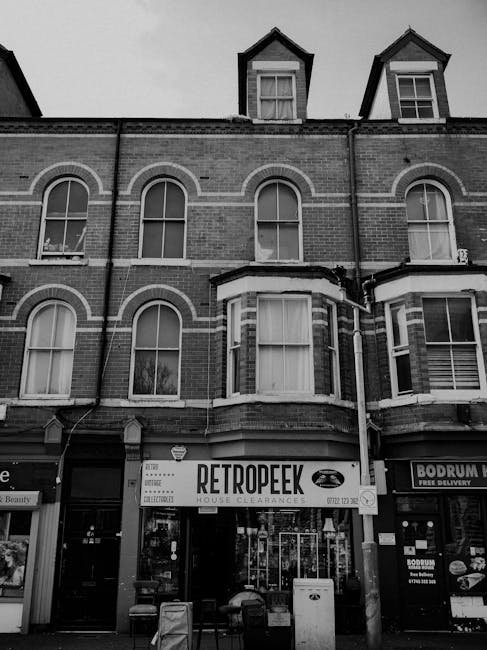
Powis Street Flat Clearance Tips -- Woolwich SE18
If you are clearing a flat near Powis Street in Woolwich SE18, the job can look simple on paper and become surprisingly complicated in real life. Narrow hallways, shared entrances, parking pressure, stairs, lift access, neighbour consideration, and the need to separate reusable items from waste all affect how smoothly the clearance goes. The good news is that with a clear plan, a flat clearance can be quicker, safer, and far less stressful than most people expect.
This guide brings together practical Powis Street flat clearance tips -- Woolwich SE18 for anyone dealing with a move, a tenancy end, an inherited property, a downsizing project, or a flat that simply needs a full reset. You will find step-by-step advice, common mistakes to avoid, local considerations, and a realistic comparison of clearance options so you can make a sensible decision without wasting time or money.
For readers comparing services, it also helps to understand the wider clearance process. A good starting point is the main flat clearance service overview, along with practical guidance on furniture disposal, waste removal, and the company's approach to recycling and sustainability. Those pages are useful if you want the bigger picture before booking anything.
Table of Contents
- Why Powis Street flat clearance tips -- Woolwich SE18 Matters
- How Powis Street flat clearance tips -- Woolwich SE18 Works
- Key Benefits and Practical Advantages
- Who This Is For and When It Makes Sense
- Step-by-Step Guidance
- Expert Tips for Better Results
- Common Mistakes to Avoid
- Tools, Resources and Recommendations
- Law, Compliance, Standards, or Best Practice
- Options, Methods, or Comparison Table
- Case Study or Real-World Example
- Practical Checklist
- Conclusion
- Frequently Asked Questions
Why Powis Street flat clearance tips -- Woolwich SE18 Matters
Powis Street sits in a busy part of Woolwich, and that matters more than people think when planning a flat clearance. Local streets can be tight, access may be shared, and loading a van is rarely as straightforward as turning up and carrying things out. If you ignore the practical realities of the location, the whole job can stretch out, cost more, or create avoidable friction with neighbours, building managers, or the timing of your move.
Flat clearance is also different from ordinary household tidying. A proper clearance often involves bulky furniture, mixed materials, paperwork, small electricals, textiles, books, and items with resale or donation value. In one visit, you may be dealing with everything from a sofa to a stack of bags in the airing cupboard. That is why a structured approach matters.
Another reason this topic matters is decision quality. Should you sort everything yourself first, or book a professional home clearance style service and let the team handle the load? Do you need a full flat clearance, or just a targeted furniture clearance for the larger pieces? These decisions affect time, cost, convenience, and how much stress lands on your shoulders.
Truth be told, most clearance problems are not caused by the lifting itself. They are caused by weak planning: no item list, no access check, no sort-out of keep/sell/recycle/dispose piles, and no thought for parking or lift bookings. Get those basics right and the rest becomes manageable.
How Powis Street flat clearance tips -- Woolwich SE18 Works
A flat clearance typically follows a simple but important sequence. First, the items are assessed. Then the clearance team or homeowner separates anything that should be kept, donated, recycled, or removed as waste. After that, the property is cleared room by room, with bulky items removed safely and smaller items packed or bagged for transport. Finally, the flat is swept through so nothing obvious is left behind.
In practice, the process works best when the flat is prepped before collection day. That means identifying access points, checking whether parking is available nearby, deciding what stays and what goes, and making sure fragile items, documents, and valuables are removed early. If the property is part of a managed block, the building rules matter as well.
If you are comparing services, it helps to match the job to the right service page. A general flat clearance can be the best fit for mixed contents, while house clearance is more suitable for larger domestic clear-outs, and loft clearance may be relevant if the flat has additional storage spaces or a top-floor stockpile of items. For small, item-specific jobs, furniture disposal can be enough.
A well-run clearance also includes sensible handling of the aftermath. Reusable items should be considered for donation or resale if they are in decent condition. Worn or broken items should be moved through the proper disposal route. This is where a responsible provider's waste handling standards and recycling approach become relevant.
Key Benefits and Practical Advantages
Done properly, a flat clearance near Powis Street gives you more than a tidy space. It creates momentum. The flat is easier to photograph for letting or sale, simpler to clean, and less stressful to hand over. If you are under time pressure, that alone can be worth a great deal.
Some of the biggest advantages are straightforward:
- Time saved: one organised clearance beats multiple car trips and repeated sorting sessions.
- Less physical strain: heavy wardrobes, mattresses, and appliances are not ideal DIY lifts, especially in stairwells.
- Better recycling outcomes: sorting items properly can keep more material out of general waste.
- Cleaner handover: a cleared flat is easier to clean, inspect, and return to a landlord or buyer.
- Lower stress: there is a clear plan instead of a room-by-room guessing game.
There is also a financial angle. A careful pre-sort can reduce the amount of time a clearance crew spends on site. Separating obvious keep items before the team arrives may shorten the visit. On the other hand, if you book the wrong service or hide bulky items in cupboards thinking they will be "easy enough", you can create extra handling work and a less efficient job. That is the sort of detail people only learn once.
For any clearance involving mixed items, a provider with transparent pricing is valuable. If you want to understand how quotes are usually handled, the company's pricing and quotes page is a practical reference point. It is also sensible to check insurance and safety and the company's health and safety policy before you book.
Who This Is For and When It Makes Sense
This kind of guidance is useful for several very different situations. The flat may be being emptied after a tenancy ends, cleared before a sale, prepared for renovation, or handled as part of an estate. In each case, the practical challenge is similar: remove the right items efficiently without causing damage, delay, or unnecessary cost.
It makes particular sense if you are:
- moving out of a flat near Powis Street and need a fast, orderly handover
- dealing with an inherited property and need to sort contents respectfully
- downsizing and want to separate keepsakes from surplus furniture
- clearing a rented flat before inspections or end-of-tenancy cleaning
- removing bulky furniture or mixed household contents with limited access
- trying to recover usable items before general disposal
It also helps if you are a landlord, letting agent, or property manager. A reliable clearance plan reduces turnaround time between tenants and helps avoid complaints about left-behind belongings. Let's face it, nobody enjoys discovering a missing mattress, an abandoned desk, and a half-finished bagging job all on the same day.
If your needs extend beyond the flat itself, a broader house clearance style approach may still be relevant, particularly when the property contains storage areas, a garden, or additional outbuildings. And if the job is mostly one or two rooms of bulky items, a targeted waste removal service may be enough.
Step-by-Step Guidance
The easiest way to avoid chaos is to break the clearance into a sequence. The following approach works well for most flats, including those with stairs, lifts, or limited outside loading space.
- Walk through the flat room by room. Make a quick inventory of bulky furniture, bagged waste, fragile items, documents, appliances, and anything you intend to keep.
- Set up sorting zones. Use clear labels or separate areas for keep, donate, recycle, dispose, and unsure. The "unsure" pile is useful because it stops people from making rushed decisions.
- Remove valuables and documents first. Passports, bank letters, photos, medication, keys, and sentimental items should be dealt with early. Do not leave them mixed in with paperwork or drawers.
- Check access. Measure doors if necessary, confirm lift availability, and think about how bulky items will reach the vehicle. If the clearance team needs parking close by, arrange it in advance where possible.
- Identify special items. Mattresses, white goods, flat-pack furniture, electronics, and anything heavy or awkward may need extra handling. Flag them early.
- Book the right service. If the flat is full of mixed contents, choose a full flat clearance rather than piecemeal removal. If the main issue is a few large items, a furniture-focused service may be more economical.
- Prepare the flat the day before. Clear hallways, free up doorways, unplug appliances, and make sure pets are safely away from the working area.
- Do a final sign-off. Before the vehicle leaves, check cupboards, behind doors, under beds, and any shared storage spaces that may have been forgotten.
This order matters because it keeps the job moving. If you start with low-value clutter and ignore the key items, you can spend an hour being busy without actually making progress. A practical plan always wins.
Expert Tips for Better Results
A few small habits make a surprisingly large difference in a clearance around Woolwich SE18.
First, sort for lifting efficiency. Keep similar items together. Books, crockery, soft furnishings, and electronics should not be spread across every room if you can help it. Grouping saves time and helps the team load the vehicle in a cleaner sequence.
Second, be realistic about "maybe" items. If something has sat untouched for two years, the odds are it is not suddenly going to become essential next month. That said, keep emotional decisions separate from logistical decisions. A slow, sensible review is better than a rushed regret.
Third, think in layers. Start with the obvious waste, then move to reusable goods, then split items that need donation, recycling, or specialist disposal. This layered approach works especially well in flats where space is tight and clutter has crept into cupboards, under-bed storage, or box rooms.
Fourth, protect the building. Stair rails, walls, and door frames can be scuffed very easily. Corners and narrow landings are where damage happens. If you are doing any handling yourself, use covers or get help for larger pieces.
Fifth, ask about what happens after collection. Responsible providers should be clear about how they handle mixed items and what routes they use for recycling or disposal. That is one reason the company's recycling and sustainability information is worth reading before you decide.
Expert summary: The best flat clearances are usually not the fastest to start, but the fastest to finish. A clean sort at the beginning saves time, protects the property, and improves the outcome.
Common Mistakes to Avoid
Most clearance headaches come from a handful of avoidable mistakes. Knowing them in advance is half the battle.
- Leaving everything to the last minute. This creates rushed decisions and makes it easy to forget documents, keys, chargers, or small valuables.
- Assuming parking will "just work". In busy parts of Woolwich, loading access can be the difference between a smooth visit and a frustrating delay.
- Mixing keeps with waste. Once items are bagged together, sorting becomes slower and more stressful.
- Underestimating bulky items. Sofas, wardrobes, and beds often take more time and coordination than expected.
- Not checking shared areas. Cupboards, lockers, basement spaces, and lofts are easy to forget.
- Skipping a service comparison. A clearance company may offer different options for flat clearance, furniture removal, or general waste. Choosing the wrong one can cost more than necessary.
There is one more common mistake worth mentioning: trying to do everything yourself when the job is simply too large. DIY works for some jobs, but a packed flat on an upper floor with narrow access can turn into a tiring weekend very quickly. Sometimes the smart move is to let a team handle the hard parts.
Tools, Resources and Recommendations
You do not need a van full of specialist kit to organise a good flat clearance, but a few simple tools make the process easier.
- Labels or sticky notes: for keep, donate, recycle, and dispose piles.
- Heavy-duty sacks and boxes: to keep smaller items grouped and easier to move.
- Basic gloves: useful for dusty cupboards or awkward mixed items.
- Tape measure: handy if you need to check whether a sofa or wardrobe will fit through a doorway.
- Phone camera: useful for taking quick photos of bulky items or the layout before the team arrives.
- Notebook or checklist: surprisingly effective for stopping things from being missed.
For service comparison, it can help to review a provider's wider support pages. The about us page can give you a better sense of how the company works, while contact us is the sensible next step if you need to ask about access, timing, or item types. If you want operational clarity before booking, it is also worth checking the terms and conditions and payment and security pages.
If your property has a few leftover items after the main clearance, keep in mind that a smaller furniture clearance or mixed office clearance style visit may still be useful, especially if you are clearing a home workspace or storage-heavy room within the flat.
Law, Compliance, Standards, or Best Practice
For flat clearance in the UK, the main compliance concern is simple: waste should be handled responsibly and lawfully. You do not need to become an expert in environmental regulation to make good decisions, but you should be aware that careless dumping, fly-tipping, and poor transfer of waste can create problems for both the person disposing of items and the property owner.
Best practice means choosing a provider that can explain how items are managed, especially if the job includes electrical goods, upholstered furniture, mixed waste, or potentially reusable contents. It is also sensible to check whether the provider has visible safety and insurance information, and whether they have a clear complaints process. These things matter more than most people realise until there is an issue. Then they matter a lot.
For home or flat clearances, safe manual handling is another practical standard. Heavy items should be carried with care, and access routes should be cleared before lifting starts. That reduces the risk of damage to the property and helps avoid injury. If a team is doing the work, they should be working in a way that reflects sensible safety practice rather than speed at any cost.
If you want reassurance on operational standards, the pages on health and safety policy, insurance and safety, and complaints procedure are all worth reviewing before booking. They help set expectations and show whether the provider takes the job seriously.
Options, Methods, or Comparison Table
Choosing the right method depends on the size of the job, your access, and how much time you want to spend sorting. Here is a simple comparison to help.
| Option | Best for | Pros | Watch out for |
|---|---|---|---|
| DIY clearance | Small amounts of light waste or a few bagged items | Low direct cost, full control | Time-consuming, heavy lifting, transport issues, multiple trips |
| Flat clearance service | Mixed contents, bulky furniture, faster turnaround | Efficient, less physical work, better for full clear-outs | Needs access planning and clear instructions |
| Furniture-only removal | One or two large items such as sofas, beds, wardrobes | Focused and practical for specific items | May not suit cluttered rooms or mixed waste |
| General waste removal | Loose rubbish, mixed bags, leftover material | Good for smaller clean-ups | Less ideal when furniture or appliances dominate the job |
In many Powis Street flats, the best answer is a hybrid approach: sort the keeps first, then use a flat clearance service for the mixed bulk and a waste removal option for the leftovers. That can be more practical than trying to force everything into one category.
Case Study or Real-World Example
Imagine a one-bedroom flat close to Powis Street after a tenant move-out. The rooms are not huge, but the contents are awkward: a sofa, a bed base, a small wardrobe, several bags of mixed items, kitchenware, paperwork, and a few forgotten boxes in the hallway cupboard. The building has a shared entrance and limited short-stay parking nearby.
The most efficient approach would be to start with the documents and personal items, then separate anything reusable from obvious waste. The furniture is measured roughly in advance, so the team knows what needs two-person lifting. The hallway is cleared before collection day, and the occupier or agent confirms access in advance. On the day, the clearance starts with the largest items first, which opens the route for bags and smaller boxes.
What changes the result here is not complicated equipment. It is sequencing. Because the flat was sorted before the team arrived, there was no need to stop and guess what stayed or went. The job finished faster, the entrance remained tidy, and the handover was much simpler.
That kind of result is typical when the prep is done properly. The flat may still be full of things at the beginning, but by the end it feels like the pressure has been taken out of the room.
Practical Checklist
Use this checklist before collection day so nothing obvious is missed.
- Remove valuables, cash, keys, and personal documents
- Confirm what stays and what goes
- Separate donations, recycling, and disposal items
- Clear hallways and entry routes
- Check stair access, lift access, and parking options
- Identify any heavy, fragile, or awkward items
- Tell the team about mattresses, appliances, or restricted items
- Take photos of the property if needed for records
- Check cupboards, loft spaces, and storage areas
- Review the final room-by-room walk-through before signing off
If you want a slightly more detailed next step, compare the service with related offerings such as furniture clearance, home clearance, and broader waste removal. That usually makes the booking decision clearer.
Conclusion
Clearing a flat near Powis Street in Woolwich SE18 does not have to become a drawn-out, exhausting project. The best results usually come from simple discipline: sort early, protect valuables, plan access, choose the right service, and keep the process moving room by room. Once those basics are in place, the job becomes much easier to manage.
The key is to match the clearance method to the property. A compact flat with a few bulky items needs a different approach from a fully furnished rental or an estate clearance. If you make that distinction early, you avoid overpaying, overhandling, or under-preparing.
When in doubt, keep it practical. Check the access. Make the piles clear. Ask questions before the day. Small decisions made in advance often save the most time later.
Get a free quote today and see how much you can save.
For a friendly next step, use the company's contact page to discuss your flat, your access, and the items you need removed. A quick conversation now can prevent a lot of hassle on the day.
Frequently Asked Questions
What is the best way to prepare a Powis Street flat for clearance?
Start by removing valuables, separating keep items from waste, and clearing hallways so bulky items can move out safely. A short walkthrough before the team arrives usually prevents delays.
How long does a flat clearance in Woolwich SE18 usually take?
It depends on the amount of contents, access, and how much sorting has already been done. A small flat with good preparation may be completed relatively quickly, while a cluttered property or upper-floor flat can take longer.
Do I need to sort everything before a clearance team arrives?
No, but a basic sort helps a lot. At minimum, separate personal items, paperwork, and anything you want to keep. The clearer the instructions, the smoother the job.
Can reusable furniture be removed separately?
Yes. If the job is mainly bulky items, a furniture-focused service may be the right fit. If the flat also contains mixed household contents, a full flat clearance may be more suitable.
What should I do with documents and private paperwork?
Remove them before the clearance day and keep them secure. Even in a routine clearance, it is best to treat personal documents carefully and separately from the rest of the contents.
Is parking or access a problem around Powis Street?
It can be if nothing is planned in advance. Busy streets, shared entrances, and loading restrictions can slow things down, so access should be checked before booking.
Can I mix furniture removal with general waste removal?
Often yes, but it depends on the provider and the scale of the job. A mixed clearance is common in flats, especially when old furniture, bagged waste, and small household items all need removing together.
What happens to items after they are collected?
That depends on their condition and the provider's process. Reusable items may be separated, and recyclable materials should be handled through appropriate waste routes where possible.
How do I know if I need a house clearance instead of a flat clearance?
If the property includes multiple floors, outbuildings, a loft, or a much larger volume of contents, a house clearance may be more appropriate. For a standard flat with mixed contents, flat clearance is usually the better match.
Are clearance services suitable for landlords and letting agents?
Yes. They are often useful for end-of-tenancy clear-outs, abandoned contents, and fast turnarounds between occupiers. A clear inventory and access plan make the process much easier.
What should I check before booking a clearance company?
Look at pricing, safety, insurance, and how the company handles waste and recycling. It is also wise to review terms and conditions so you know what to expect on the day.
What is the biggest mistake people make with flat clearance?
The biggest mistake is usually leaving the sort-out too late. Once everything is mixed together, it becomes harder to identify valuables, donation items, and bulky waste efficiently.