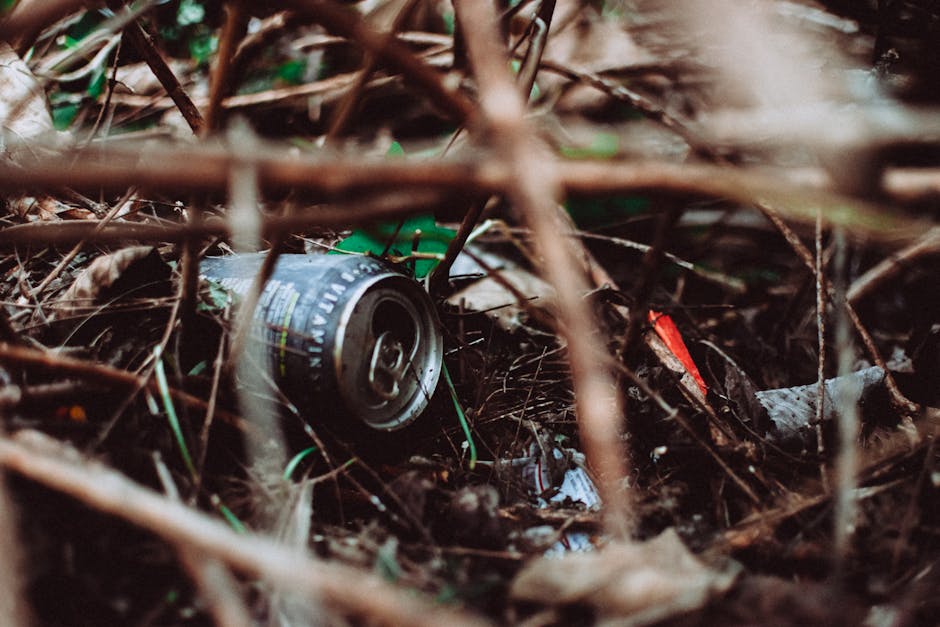
Stop pest problems from waste in Woolwich backyards
If your Woolwich backyard has started to feel more like a hiding place for bins, bags, broken furniture, or overgrown junk, you are not imagining it: waste left outside can quickly draw rats, flies, foxes, mice, and every other unwelcome visitor with a nose for food and shelter. The good news is that Stop pest problems from waste in Woolwich backyards is usually less about dramatic fixes and more about a few disciplined habits done well. Clear the waste, control what stays outside, and remove the things pests love to nest in. Simple in theory, not always simple on a damp Tuesday evening when the garden's already full of half-finished jobs. This guide breaks down what actually works, why it matters locally, and how to tackle the problem without turning your outdoor space into a weekly battle.
Along the way, you'll find practical steps, common mistakes, a comparison of cleanup approaches, and a realistic checklist you can use straight away. If the mess is already a bit much, there are also sensible service options such as waste removal and garden clearance that can help take the pressure off.
Table of Contents
- Why it matters
- How it works
- Key benefits and practical advantages
- Who this is for and when it makes sense
- Step-by-step guidance
- Expert tips for better results
- Common mistakes to avoid
- Tools, resources and recommendations
- Law, compliance, standards, or best practice
- Options and comparison table
- Case study or real-world example
- Practical checklist
- Conclusion
- Frequently asked questions
Why Stop pest problems from waste in Woolwich backyards Matters
Backyard waste is more than an eyesore. In a busy London borough like Woolwich, where homes often sit close together and outdoor storage is limited, rubbish can become a shared nuisance fast. Food scraps, old mattresses, rotting timber, torn bags, and stagnant containers create the sort of conditions that pests love: cover, warmth, moisture, and easy meals. You don't need a mountain of rubbish for trouble to start either. A couple of loose bags, a broken recycling box, or a hidden pile behind the shed can be enough.
The practical problem is that pest activity rarely stays neat. Rats and mice chew through packaging and nesting materials. Flies breed in food residue. Wasps may build in undisturbed corners. Foxes scatter waste, which then attracts more pests. Before long, a small clean-up job becomes a daily chore. And yes, it can get a bit embarrassing when you open the back gate and are met with a smell that says, quite plainly, "something's gone off back here."
There is also a comfort issue. People use backyards for washing, play, gardening, smoking, bin storage, or just a bit of fresh air. When pests move in, the space stops being restful. That matters whether you are a homeowner, a tenant, a landlord, or someone managing a shared outdoor area. A cleaner yard is not just prettier; it is healthier, easier to maintain, and far less likely to become a problem again.
Expert summary: if waste stays dry, contained, and quickly removed, pests lose the two things they rely on most: food and shelter. That's the core idea. Everything else is just good housekeeping, really.
How Stop pest problems from waste in Woolwich backyards Works
The method is straightforward, but the details matter. The idea is to remove what attracts pests, block the ways they enter, and prevent new waste from building up in the first place. Think of it as a three-part approach: reduce attraction, remove access, and maintain consistency.
1. Reduce what draws pests in
Pests respond quickly to smells and scraps. Food waste, pet food, old garden clippings, greasy containers, and damp cardboard are all common triggers. Even if the pile looks harmless to you, a rat or fox will read it differently. If waste is left open to the weather, smells travel farther, moisture builds up, and decomposition speeds up. That's exactly what you want to avoid.
2. Remove nesting and hiding places
Waste does not have to be edible to be useful for pests. Cardboard, soft furnishings, old fabric, stacked wood, and cluttered corners offer cover and nesting material. A backyard with lots of tucked-away gaps behind bins, under pallets, or beside broken furniture becomes perfect shelter. Pests are cautious by nature. They like routes with cover. They do not like open, tidy spaces. Annoying for them, helpful for you.
3. Keep a repeatable system
One tidy-up is not enough if the routine falls apart a week later. The best pest control from waste is a regular system: sort, bag, store, inspect, and remove. Small habits beat occasional big efforts. That might mean placing lids properly, rinsing recyclables, keeping food waste in sealed containers, and booking prompt clearance when bulky items start to pile up.
If the outdoor clutter is mixed with old chairs, broken tables, or stubborn bulky items, using a service such as furniture disposal can help get rid of nest-friendly waste quickly rather than leaving it exposed for another wet weekend.
Key Benefits and Practical Advantages
When you deal with waste properly, the benefits go well beyond pest prevention. People often notice the improvement in a single afternoon, especially after a long spell of damp weather. The air feels fresher. The yard looks bigger. The bins seem manageable again. Slightly dramatic maybe, but true.
- Fewer pests: less food and shelter means fewer reasons for rats, mice, flies, wasps, and foxes to hang around.
- Better hygiene: fewer smells, fewer droppings, less contamination of outdoor areas.
- Less damage: pests chew, soil, and scatter waste; removing attractants protects fences, stored items, and structures.
- Lower stress: a tidy space is easier to live with and easier to maintain.
- Better first impression: useful if you are renting out, selling, or sharing a property.
- Safer garden use: children and pets are less likely to come into contact with dirty or sharp waste.
There is also a maintenance advantage. Clean yards are easier to inspect. You spot leaks, gaps, and damage earlier. That matters because pest problems often start in the quiet corners where nobody looks until the smell arrives. And by then, let's face it, it's already a job.
Who This Is For and When It Makes Sense
This approach is useful for almost anyone with an outdoor space in Woolwich, but some people need it more urgently than others. If you are reading this because you have already seen signs of activity, then the answer may be "right now." If you are trying to prevent a repeat issue, a regular clean-up plan makes sense before the next mild spell or holiday bin backlog.
Homeowners and renters
Back gardens often become storage zones for things that did not make it into the shed, loft, or skip. Old toys, broken planters, garden offcuts, bags of rubble, and furniture waiting for repair can all sit outside longer than intended. If you rent, raising the issue early with a landlord or managing agent helps avoid bigger disputes later.
Landlords and property managers
Shared or vacant outdoor spaces can deteriorate quickly. If tenants leave waste behind, or if a property has sat empty for a while, pests may move in before anyone notices. Quick clearance and regular checks are usually far cheaper than dealing with damage, complaints, and follow-up cleaning.
Families and pet owners
Children and animals are naturally curious. Sharp packaging, mouldy food, insects, and hidden nests all add risk. In this situation, the value of a clean backyard is obvious: it simply becomes usable again.
People with accumulated clutter
Not every backyard waste problem is a simple bin issue. Sometimes the garden is crowded with old appliances, garage overflow, or renovation leftovers. If that sounds familiar, a broader service like house clearance or garage clearance may be the cleaner way to reset the whole space rather than dealing with bits and pieces for weeks.
Step-by-Step Guidance
Here is a practical way to deal with waste-driven pest problems without overcomplicating it.
- Walk the backyard slowly. Look behind bins, under benches, beside sheds, and around fences. If it feels like a pest would choose that spot, it probably would.
- Separate the waste into clear groups. Put food waste, recyclables, green waste, bulky items, and hazardous or sharp materials into different piles. You do not need perfection. You do need separation.
- Seal food-related waste first. Rinse containers if needed and use strong bags or lidded bins. Anything with food residue should be treated as an attractant.
- Remove nesting material. Cardboard, fabric, soft padding, and dry leaves should not be left in heaps. Flatten, bag, or remove them.
- Check for standing water. Old plant pots, tarps, buckets, and clogged corners can hold water and create another pest issue entirely.
- Cut back overgrowth. Dense shrubs and weeds give pests cover. You do not need a full landscaping project; just open up the hidden edges.
- Clear bulky items promptly. Broken furniture, old mattresses, and damaged garden items are ideal hiding spots. If they cannot be repaired quickly, move them on.
- Inspect the boundary. Gaps under fences, loose panels, and openings near sheds can become easy entry points.
- Set a recurring routine. Even ten minutes twice a week helps keep the yard from slipping back into trouble.
If the job turns into more than a tidy-up, consider pairing waste removal with an outdoor reset such as recycling and sustainability minded disposal, so items are sorted properly rather than simply dumped and forgotten.
Expert Tips for Better Results
Small adjustments often make the biggest difference. In our experience, the yards that stay pest-free are not the ones that look perfect every day. They are the ones with a clear system.
- Use lids, not just bags. Bags tear. Lids hold. If you can close it, close it.
- Keep waste off bare soil where possible. Damp ground encourages odour and can attract insects.
- Don't mix wet and dry waste. Once mixed, everything gets heavier, smellier, and harder to handle.
- Move waste quickly after big jobs. After pruning, decorating, or sorting the shed, book clearance before the pile settles in.
- Check during warmer spells. Warm afternoons accelerate smell and insect activity surprisingly fast.
- Think in zones. One corner for sealed bins, one for green waste, one for no storage at all. A bit of structure goes a long way.
- Watch the "temporary pile" trap. Temporary has a way of becoming permanent. Funny how that happens.
A good rule of thumb is this: if the item has been outside long enough to collect rain, dust, and a strange sense of belonging, it probably needs to go.
Common Mistakes to Avoid
Most pest issues from waste are made worse by a handful of predictable mistakes. Avoiding these can save a lot of effort later.
- Leaving food waste in open containers. Even a little residue can be enough to attract pests.
- Stacking waste against walls or fences. Hidden gaps make ideal routes and nesting areas.
- Forgetting about old furniture. Soft furnishings and broken cupboards are not harmless clutter; they are shelters.
- Using weak bags for heavy rubbish. Split bags create trails, and trails create attention.
- Putting everything out "later". That delay is often where problems begin.
- Ignoring smells. Smell is usually the first warning sign. If the air changes, the situation has already changed.
- Cleaning the visible area only. Pests usually start where you cannot immediately see them.
There is a real difference between a yard that looks clean and one that is actually pest-resistant. The latter is about hidden spots, drainage, sealing, and removal speed. The former is just the bit people can see from the patio door.
Tools, Resources and Recommendations
You do not need a warehouse full of specialist gear. A sensible set of basics is usually enough.
| Tool or resource | Why it helps | Best use |
|---|---|---|
| Heavy-duty bin liners | Reduce tearing and leakage | Mixed household waste, small outdoor clear-outs |
| Lidded bins or sealed tubs | Block smell and access | Food scraps, recyclables, pet-related waste |
| Gloves and grabbers | Improve safety and speed | Sharp, dirty, or awkward waste |
| Broom and stiff brush | Removes crumbs and residue | After bagging waste or moving containers |
| Garden sacks | Keep green waste contained | Leaves, clippings, and pruned material |
| Clearance service | Removes bulky waste quickly | Furniture, mixed loads, bigger yard resets |
For larger cleanups, a proper removal plan tends to work better than trying to chip away at the mess one bag at a time. If the issue includes household overflow, home clearance can help when the backyard waste is part of a wider decluttering job. If the clutter is mainly indoor items stored outside, furniture clearance may be more suitable.
Law, Compliance, Standards, or Best Practice
You do not need to become a waste-law expert to keep a backyard safe, but a few common-sense UK practices are worth respecting. Waste should be stored so it does not cause nuisance, attract vermin, or create avoidable hazards. That means using containers properly, avoiding fly-tipping, and arranging disposal responsibly rather than abandoning items outside for long periods.
If you are a landlord, business owner, or property manager, good record-keeping and prompt action matter even more. A neglected waste area can quickly become a complaint, and once pests are involved, the cost is no longer just about removal. It can include cleaning, repairs, and reputational damage. For commercial premises or mixed-use properties, a service such as business waste removal may be the more sensible choice because it creates a clearer, more reliable disposal routine.
Best practice is simple: store waste safely, remove it regularly, and keep recyclable, food, green, and bulky waste separate where practical. If you are unsure about how much waste is building up or how to handle awkward items safely, check the provider's health and safety policy and insurance and safety information before booking. That little bit of homework matters, especially for bigger jobs.
And one more thing: if the waste is contaminated, sharp, heavy, or already attracting pests, treat it as a cleanup job rather than a simple bin run. That mindset keeps people safer.
Options, Methods, or Comparison Table
There are usually three ways people handle pest-related waste in backyards. The right one depends on how bad the buildup is, how quickly it needs fixing, and whether the waste is mixed or bulky.
| Method | Best for | Pros | Limitations |
|---|---|---|---|
| DIY sorting and disposal | Small, manageable waste | Low cost, flexible, quick if minor | Time-consuming, awkward for bulky items, easy to delay |
| Partial clearance | Mixed waste with a few large items | Helps clear the main attractants without overdoing it | May not solve the issue if hidden waste remains |
| Full yard clearance | Serious clutter, recurring pest problems | Fast reset, better access, better chance of long-term control | More involved, may require planning and sorting |
If the yard has turned into a patchwork of old tools, broken chairs, and garden waste, a full clearance is often the cleanest route. If it is mostly one or two obvious bins or a small pile near the gate, DIY may be enough. The trick is being honest with yourself. We all like to think "it's only a few things," until you start lifting them and discover there are twelve more hiding behind them. Typical, really.
Case Study or Real-World Example
A fairly typical Woolwich scenario goes like this. A family uses the back garden as a temporary storage area during a small home project: bags of old toys, a broken chair, a forgotten compost caddy, and a stack of cardboard from a furniture delivery. After a few damp days, they notice a smell near the fence and a scattering of shredded paper by the bins. Nothing dramatic at first, just enough to feel off.
The fix was not complicated, but it did require a proper reset. First, food-contaminated waste was sealed and removed. Then the cardboard was flattened and taken away. The broken chair and other bulky items were cleared. Overgrown edges were cut back so the fence line was visible again. Finally, the bins were moved to a drier, more open area and kept closed. The smell dropped almost straight away, and the garden stopped feeling "busy" in that slightly unpleasant, half-hidden way.
What made the difference was speed. The waste did not get another week to settle in. That's usually the turning point. Once a backyard becomes a waiting room for rubbish, pests are not far behind.
Practical Checklist
Use this checklist to keep your backyard on the right side of clean and pest-resistant.
- Remove all food waste and rinse containers where practical.
- Keep bin lids shut and replace damaged containers.
- Flatten cardboard and bag soft, nesting-friendly materials.
- Move bulky waste out before it becomes a shelter.
- Check under benches, pallets, and tarps for hidden debris.
- Clear standing water from pots, buckets, and low spots.
- Cut back overgrowth along fences and sheds.
- Seal small gaps where pests may enter or hide.
- Schedule regular waste removal rather than waiting for a buildup.
- Inspect the yard after rain, windy weather, or deliveries.
Quick takeaway: if your backyard is dry, open, and free of lingering waste, it becomes a much less attractive place for pests. That is the whole game in one sentence.
Conclusion
Stopping pest problems from waste in Woolwich backyards is not about perfection. It is about keeping the space uninviting to pests and easy for you to manage. The less food, clutter, moisture, and shelter you leave outside, the less likely it is that rats, flies, foxes, or mice will take advantage. Most of the time, the answer is a cleaner layout, quicker disposal, and a better routine. Simple, yes. Easy every week? Not always. But absolutely doable.
If your backyard has moved beyond a quick tidy-up, take that as a sign to act sooner rather than later. A prompt clearance can save you the frustration of chasing the same problem around the fence line for months.
Get a free quote today and see how much you can save.
And if you start tonight with just one bag, one corner, or one stubborn old item, that still counts. Honestly, that first move is often the hardest. After that, the space begins to feel like yours again.
Frequently Asked Questions
What waste attracts pests most in Woolwich backyards?
Food scraps, greasy packaging, damp cardboard, soft furnishings, and anything that holds moisture are the biggest attractants. Even small amounts can cause trouble if they are left out for long enough.
How quickly can waste lead to a pest problem?
It depends on the weather, the type of waste, and how exposed it is, but problems can start surprisingly quickly, especially in warmer or damp conditions. Smells and flies are often early signs.
Is garden waste a pest risk too?
Yes. Grass cuttings, leaf piles, and overgrown material can create shelter and damp spots. It is not just about food waste. Green waste can become a hiding place if it is left to sit.
Should I keep rubbish in the backyard if the bins are full?
Only briefly, and ideally not at all. Temporary outdoor storage can become an attractant fast. If collection is delayed, seal the waste properly and remove it as soon as possible.
Do old furniture and broken items cause pest issues?
They can. Broken chairs, mattresses, cupboards, and similar items offer nesting spaces and shelter. If they are already outside and exposed, they are best cleared promptly.
What is the best way to stop rats coming into a garden?
Remove easy food sources, keep bins sealed, clear clutter, and block access points where possible. If the issue is persistent, a full clean-up and proper waste removal usually works better than just moving items around.
Can cleaning alone solve the problem?
Sometimes, yes, if the problem is mild. But if there is bulky waste, hidden nesting material, or recurring activity, cleaning should be paired with proper removal and better storage.
How often should backyard waste be checked?
At least weekly is sensible, and more often after deliveries, garden work, or wet weather. A quick inspection takes little time and can stop small issues becoming big ones.
When should I book professional waste removal?
Book it when the waste is bulky, contaminated, difficult to move, or already attracting pests. It is also a good idea when the mess is part of a larger decluttering job and you want a proper reset.
Is it better to clear the whole yard at once?
If the area is badly cluttered, yes. A full clearance makes it easier to inspect, clean, and prevent pests from hiding in leftover piles. For lighter problems, smaller phased clearances can work fine.
Do I need to worry about safety when handling waste?
Yes, especially if there are sharp edges, heavy items, mould, or signs of pest activity. Gloves, sturdy bags, and careful lifting help. For bigger or awkward loads, use a service that prioritises safe handling.
What should I do if the problem keeps coming back?
Re-check the hidden corners, storage habits, and bin setup. Recurring problems often mean something is still providing shelter or food. If you keep seeing signs, the waste may need to be removed more completely and the storage layout changed.