Builders' Rubble Disposal Advice for Woolwich Renovations
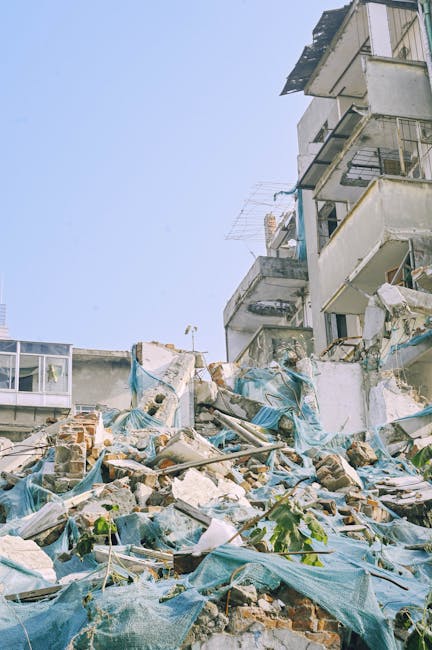
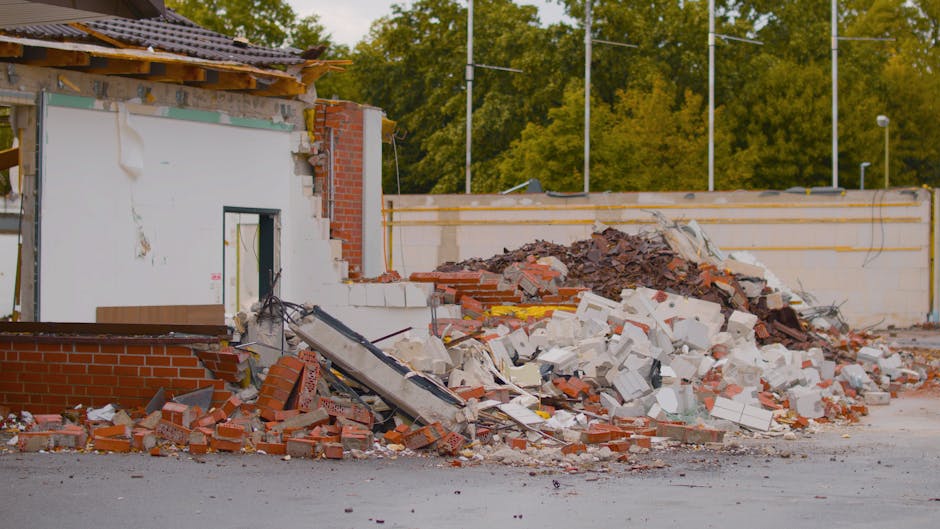
Renovating in Woolwich can feel exciting right up until the rubble starts piling up. One minute you are stripping out an old kitchen or knocking back a tired wall, the next you have bags of brick, broken plaster, timber offcuts, and dust everywhere. That is where sensible builders' rubble disposal advice for Woolwich renovations becomes more than a nice extra - it keeps the job moving, keeps the site safer, and helps you avoid a messy, expensive headache later.
If you are planning work on a flat, terrace, shop unit, or family home, the way you handle renovation waste matters almost as much as the build itself. Truth be told, rubble is one of those things people underestimate. It is heavy, awkward, and very good at taking over a driveway if you let it. This guide walks through the practical side of disposing of builders' rubble properly in Woolwich, with clear steps, local awareness, and the kind of advice that actually helps when the skip is full and the clock is ticking.
For readers who want to understand the wider service standards behind responsible clearance work, it can also help to review the company's health and safety approach, its recycling and sustainability commitments, and the details in the pricing and quotes information. Those pages are useful if you are comparing options and want a clearer picture before you commit.
Below, you will find a step-by-step breakdown of what to separate, what to avoid, how to stay on the right side of best practice, and when it makes sense to bring in professional help. Let's make the whole thing feel a lot less chaotic.
Why Builders' Rubble Disposal Advice for Woolwich Renovations Matters
Rubble disposal is not just about getting rid of waste. It affects site safety, project timing, neighbour relations, and your final bill. In a place like Woolwich, where many renovation projects happen on tighter streets, shared access routes, or properties with limited outdoor space, the wrong waste plan can slow everything down.
A pile of hardcore, plasterboard, tiles, or broken masonry can block pathways, create trip hazards, and make it harder for trades to work efficiently. It also attracts the usual problems: damp dust, sharp edges, and that one bin bag that somehow ends up splitting at the worst possible moment. A sensible disposal plan keeps the site workable from day one.
There is also a bigger picture. Construction waste often includes materials that can be separated for recycling rather than mixed and dumped. That matters if you want a cleaner, more responsible project and less landfill-heavy waste handling. Good planning can also reduce the number of waste collections needed, which is where costs can creep up if you are not careful.
Practical takeaway: The earlier you plan rubble disposal, the easier it is to keep your renovation tidy, safe, and on schedule. Waiting until the pile is already outside the front door is, frankly, a bit of a gamble.
How Builders' Rubble Disposal Advice for Woolwich Renovations Works
At a simple level, builders' rubble disposal means collecting, separating, loading, transporting, and processing the waste created during renovation work. But in real projects, it is rarely one smooth action. It is usually a chain of small decisions.
First, identify the waste streams. Hardcore and inert materials such as brick, concrete, tiles, and stone are typically handled differently from general mixed renovation waste. Timber, metal, plasterboard, packaging, soil, and old fixtures may also need separate handling. The cleaner the separation, the easier it is to manage the load.
Next, decide how the waste will leave the site. For some projects, a skip is the simplest answer. For others, especially in busy Woolwich streets or properties with awkward access, a man-and-van style clearance or scheduled removal may be more practical. If there is limited parking or you are working from a first-floor flat, those access details matter a lot more than people expect.
Then comes the collection stage. The waste should be loaded safely, moved without damaging floors or walls, and taken to an appropriate facility for sorting, recycling, or disposal. A professional team will usually factor in lifting, labour, loading, and disposal routes. If you are comparing providers, it is worth checking their insurance and safety information so you know the basics are properly covered.
Finally, there is the paperwork and reassurance side. You should know what is included, what happens if the waste load changes, and how complaints or issues are handled if something does not go as planned. That is why pages like the terms and conditions and complaints procedure are worth a quick read before you book anything. Not glamorous, no. Very useful? Absolutely.
Key Benefits and Practical Advantages
Good rubble disposal is one of those behind-the-scenes tasks that makes a renovation feel smoother than it really is. When it is handled properly, you notice the difference every day.
1. A safer work area
Loose rubble and broken materials create obvious hazards. Slipping on dust, tripping on bags, or catching a hand on jagged tile edges is not the kind of excitement you want during a refurbishment. Keeping waste contained reduces that risk straight away.
2. Faster progress for trades
Builders, plumbers, electricians, and decorators all work better when they can move around without stepping over debris. Clear floors and sensible staging areas make a room feel ready for work rather than half-demolished. That can save time in small but annoying ways.
3. Better use of space
In many Woolwich homes, space is at a premium. You may not have a wide front drive or a big garden for temporary storage. A smart disposal plan helps you avoid turning the living room into a mini depot of broken plasterboard and dust sheets. Which, let's face it, is not exactly uplifting.
4. More recycling potential
Separating materials properly makes it more likely that reusable or recyclable waste can be diverted from general disposal. That is good for the environment and often better for overall project management too. The site's recycling and sustainability page is a helpful reference point for that wider approach.
5. Less stress at the end of the job
Many renovation projects feel fine in the middle, then suddenly become stressful in the final clean-out phase. If rubble has been left to accumulate, the last days can become a scramble. A steady disposal routine keeps the finish line calmer.
| Benefit | What it means in practice | Why it helps |
|---|---|---|
| Safer site | Less loose rubble and fewer sharp hazards | Reduces accidents and interruptions |
| Cleaner workflow | Clear access for trades and materials | Speeds up the job |
| Better recycling | Materials sorted before collection | Supports more responsible disposal |
| Lower stress | Waste removed in stages | Avoids last-minute chaos |
Who This Is For and When It Makes Sense
This advice is useful for a wide range of people, not just full-scale builders. In fact, some of the biggest waste headaches happen on smaller jobs where nobody expected much rubble in the first place.
- Homeowners renovating kitchens, bathrooms, lofts, or extensions
- Landlords refreshing rental properties between tenancies
- Small developers working on phased refurbishments
- Tradespeople who need quick, reliable site clearance between stages
- Property managers dealing with stripped-out units or damaged interiors
- DIY renovators who have underestimated how much material comes out of one wall
It makes the most sense when the job involves heavy materials, mixed waste, or limited site access. If you are removing old brickwork, concrete, tiles, bathroom fixtures, render, or blown plaster, you will usually need a disposal plan earlier than you think. Even a modest kitchen rip-out can generate more volume than a few wheelie bins can comfortably handle.
It also makes sense if you are working to a deadline. Maybe the plumber is due Monday, or the decorator has already booked their slot. In that case, a waste pile becomes a scheduling problem very quickly.
Step-by-Step Guidance
If you want a simple, practical approach, start here. Nothing fancy. Just a method that keeps the job under control.
- Walk the site before demolition starts. Look at access routes, floor protection needs, parking, and where waste can be staged safely.
- Estimate the type of rubble. Brick, concrete, tiles, plaster, timber, and mixed waste all behave differently. Mixed waste is usually more awkward, so be realistic.
- Separate what you can. Hardcore, wood, metal, and general junk should not all go into the same pile if you can help it. Even basic separation can improve efficiency.
- Choose the disposal method that suits the site. A skip may suit a bigger project, while a quicker removal service may work better where space is tight.
- Protect the route out. Use boards, sheets, or other floor protection where needed. One dropped chunk of masonry can do a surprising amount of damage.
- Load safely and steadily. Avoid overfilling sacks or creating unstable piles. Heavy rubble is best moved in manageable amounts, not heroic ones.
- Keep an eye on dust and sharp edges. Gloves, masks, and sturdy footwear are not overkill. They are just sensible.
- Schedule removal before the site gets clogged. Do not wait until access is blocked. That is where delays and grumbles start.
- Confirm where the waste is going. Responsible disposal should include sorting, recycling where appropriate, and proper transfer to licensed facilities.
- Check the paperwork and the terms. Understand the price, what is included, and how changes are handled before the work begins.
A simple routine like this saves more headaches than people realise. Honestly, half the battle is just refusing to let rubble become part of the furniture.
Expert Tips for Better Results
Here are the small things that make a big difference. They are not dramatic, but they are the sort of details experienced crews notice immediately.
- Separate heavy inert waste early. Brick and concrete are awkward once they are mixed with lighter materials. Keep them together if possible.
- Use smaller containers for awkward debris. Sharp offcuts, broken tiles, and plaster chunks are easier to manage in manageable loads than in one oversized bag.
- Plan around access windows. In Woolwich, parking and street access can be the difference between an easy collection and a frustrating delay. Morning starts often help.
- Protect communal areas. If you are in a flat or shared building, consider hallways, stairwells, and lifts carefully. Neighbours tend to notice a scraping bag down the stairs. Very quickly.
- Keep damp waste separate where possible. Wet rubble is heavier and messier. If rain is expected, cover piles properly.
- Ask about recycling routes. A responsible contractor should be able to explain how the waste will be processed in plain English, without making it sound mysterious.
- Watch for hidden waste. Behind old units or under floorboards there may be more material than expected. Budgeting for a bit of overage is wise.
One useful habit is to do a five-minute end-of-day sweep. Not a deep clean, just a quick reset. Clear the walkway, gather loose debris, and check the load area. It sounds small, but it keeps the site from slipping into chaos by Thursday afternoon.
Common Mistakes to Avoid
People usually do not get rubble disposal wrong because they are careless. More often, they are focused on the build and assume the waste will sort itself out. It rarely does.
Mixing everything together
This is the classic mistake. When rubble, wood, plastic, and general household items are dumped together, disposal gets more complicated and less efficient. Separation takes a little time up front but saves a lot later.
Underestimating how much waste there will be
A wall sounds manageable until you see the bricks spread across the floor. Renovation waste expands fast. If you are not sure, plan for more than you think you need.
Ignoring access and parking
If collection vehicles cannot reach the property easily, the job can become slower or more expensive. It is always worth checking street conditions, permit needs, and loading space before the rubble starts moving.
Leaving sharp waste loose
Broken tile, glass, and jagged plasterboard edges can injure people quickly. Loose debris is awkward on a good day and nasty on a bad one.
Choosing the cheapest option without checking what is included
Lowest price is not always best value. Ask what happens with heavy waste, uplift labour, recycling, and access complications. Otherwise you may end up paying more later. Not ideal.
Forgetting about dust and cleanliness
Builders' rubble often carries fine dust. If you do not protect surrounding areas, the mess spreads into fittings, carpets, and ventilation points. A small amount of prevention makes a big difference.
Tools, Resources and Recommendations
You do not need a truckload of specialist gear, but a few practical tools help a lot on a renovation site.
- Heavy-duty rubble sacks for manageable lifting
- Dust sheets and floor protection to guard finished surfaces
- Wheelbarrow or sack truck for moving heavier debris safely
- Gloves and sturdy footwear to reduce the risk of cuts and dropped materials
- Face mask or dust protection when breaking up plaster or sweeping fine dust
- Labels or separate piles so materials are not mixed by accident
If you are comparing clearance providers, it is worth reading about the company before booking. The about us page can give a better sense of how the business works, while the contact page is the sensible next stop if you want to ask about access, timing, or what can be collected on your site.
For practical trust and service clarity, the payment and security information is also worth checking, especially if you are arranging work remotely or on behalf of a client. Nobody likes uncertainty around payment, especially when the project is already busy.
Law, Compliance, Standards, or Best Practice
Builders' rubble disposal is not just a matter of convenience. In the UK, waste should be handled responsibly, and anyone arranging removal should think carefully about duty of care, safe handling, and appropriate disposal routes. You do not need to become a waste law expert, but you do need to be sure the material is going where it should.
Best practice usually means using a provider that can explain how waste is collected, transported, and processed. If a service talks clearly about safety, insurance, and responsible handling, that is a good sign. If the answers are vague or oddly casual, that is a warning light.
For renovation waste, a few common-sense expectations apply:
- Do not dump rubble in places it should not go.
- Keep hazardous or specialist waste separate from general builders' waste.
- Use proper manual handling techniques for heavy loads.
- Make sure the collection method suits the property and access conditions.
- Check the provider's terms before work begins so there are no awkward surprises later.
If you need reassurance on site standards, the company's health and safety policy and insurance and safety page are the two most relevant places to look. They help you understand the practical safeguards behind the service.
There is also the simple matter of transparency. If an issue comes up, a clear complaints procedure should exist and be easy to follow. That may sound administrative, but it is part of choosing a trustworthy service.
Options, Methods, and Comparison Table
There is no single best way to dispose of builders' rubble. The right option depends on the amount of waste, access, and how quickly the site needs clearing. Below is a straightforward comparison.
| Method | Best for | Advantages | Drawbacks |
|---|---|---|---|
| Skip hire | Larger projects with space for a skip | Good capacity, simple drop-and-fill workflow | Needs space and may be awkward on tight streets |
| Man-and-van rubble clearance | Smaller to medium jobs, tight access, quick turnaround | Flexible, useful for mixed loads, often faster to arrange | May need multiple trips for heavy loads |
| On-site segregation with staged collections | Projects producing different waste streams | More efficient recycling and cleaner site management | Requires discipline and space for sorting |
| DIY trips to a waste facility | Very small jobs and confident DIYers | Direct control over disposal | Time-consuming, physically demanding, less convenient |
For many Woolwich renovations, the best choice is the one that suits access first, volume second, and budget third. That order matters more than people think. A cheap option that blocks the pavement or slows the project is not really cheap at all.
Case Study or Real-World Example
Picture a modest terrace renovation in Woolwich: old kitchen out, two internal walls stripped, bathroom tiles removed, and a section of plaster coming off because it was failing anyway. Nothing dramatic, but enough to create a steady pile of heavy, dirty material.
At the start, the owner assumed a few rubble bags would do the job. By day two, there were broken tiles, chunks of masonry, old timber battens, and dust everywhere. The hallway had become a bottleneck. Every time a tradesperson moved through, they had to step around sacks and tools. That is when the project starts to feel bigger than it really is.
The fix was simple enough. Rubble was separated into heavier inert material and lighter mixed waste, the access route was protected, and collections were scheduled before the pile became unmanageable. The result was not magic - just good sequencing. The site felt calmer, the trades could move properly, and the owner stopped worrying that the back garden had turned into a building-yard annex.
That kind of project is common. And to be fair, it is usually the small details that rescue it. A half-hour of planning in the morning can save a half-day of frustration by the afternoon.
Practical Checklist
Use this checklist before and during your renovation if you want rubble disposal to stay under control.
- Have I estimated the type and volume of builders' rubble?
- Do I know where waste will be stored before collection?
- Have I protected floors, stairs, and shared access areas?
- Are heavy and light waste streams being separated where possible?
- Have I checked whether parking or access will cause delays?
- Do I know what the quote includes?
- Have I read the provider's safety and insurance information?
- Is there a plan for dust, sharp edges, and manual handling?
- Have I confirmed how recycling and disposal will be handled?
- Do I know who to contact if something goes wrong?
If you can tick most of those boxes, you are already ahead of the curve. Not perfect. Just properly prepared. That counts for a lot.
Conclusion
Builders' rubble disposal advice for Woolwich renovations comes down to one practical truth: the waste is part of the project, not an afterthought. When you plan for rubble early, keep materials separated, and choose a disposal method that fits the property, the whole renovation runs more smoothly.
That matters whether you are doing a small flat refresh or a more involved home remodel. The right approach keeps your site safer, makes better use of time, and reduces the mess that can otherwise cling to a project long after the dust has settled. It also helps you feel more in control, which, during renovation work, is no small thing.
If you want to move forward with a clearer plan, it is worth reviewing the company's pricing information, checking the terms and conditions, and using the contact page to ask about your specific access or waste type. A short conversation now can save a lot of faff later.
Get a free quote today and see how much you can save.
And if you are standing in a half-stripped room wondering where on earth all the rubble came from, take a breath. It happens. The good news is that with the right plan, it is all manageable.
Frequently Asked Questions
What counts as builders' rubble in a renovation?
Builders' rubble usually means heavy renovation waste such as bricks, concrete, mortar, tiles, stone, and similar hard materials. It can also include plaster and other demolition debris, depending on the project.
Can I put builders' rubble in a skip with other waste?
Sometimes, yes, but mixed waste is usually less efficient and can be more expensive to handle. Keeping hardcore separate often makes disposal simpler and may improve recycling options.
How do I know whether my Woolwich renovation needs a skip or a clearance service?
It depends on access, space, and the amount of waste. A skip suits bigger jobs with room to place it. A clearance service can be better for tighter access, smaller projects, or quicker removal.
Is rubble disposal expensive for small renovation jobs?
It does not have to be, but costs can rise if waste is heavier or more mixed than expected. The best approach is to get clear pricing in advance and explain the type of material honestly.
What is the safest way to move heavy rubble inside a property?
Use manageable loads, sturdy sacks, and proper lifting technique. Protect floors and stairways, wear gloves and sturdy footwear, and do not overfill containers. Heavy rubble can become awkward very quickly.
Do I need to separate plasterboard from other rubble?
Where possible, yes. Plasterboard is often handled differently from brick, concrete, and general mixed renovation waste. Separating it early is usually a smart move.
How can I reduce dust during rubble removal?
Use dust sheets, damp down dusty areas carefully if suitable, and clear waste in stages rather than letting it all build up. Good containment makes a real difference indoors.
What should I check before booking a rubble clearance service?
Check what is included, whether the provider is insured, how access will be handled, whether recycling is part of the process, and what happens if the waste volume changes.
Can builders' rubble be recycled?
Often, yes. Clean inert waste such as brick, concrete, and tile can commonly be sorted for recycling or reuse. Mixed contamination makes recycling more difficult, so separation helps.
What if the rubble pile grows bigger than expected?
That happens on renovation jobs more often than people admit. The best response is to pause, reassess the waste stream, and arrange an extra collection or adjusted plan before the site becomes crowded.
Why is access such a big issue in Woolwich renovations?
Because many properties have limited frontage, shared entrances, or tighter street parking. Access affects how waste is loaded, how quickly it can be removed, and whether the chosen method is practical at all.
How do I know a disposal company is trustworthy?
Look for clear communication, sensible safety information, transparent terms, and a straightforward complaints process. A provider that explains things plainly is usually easier to work with.