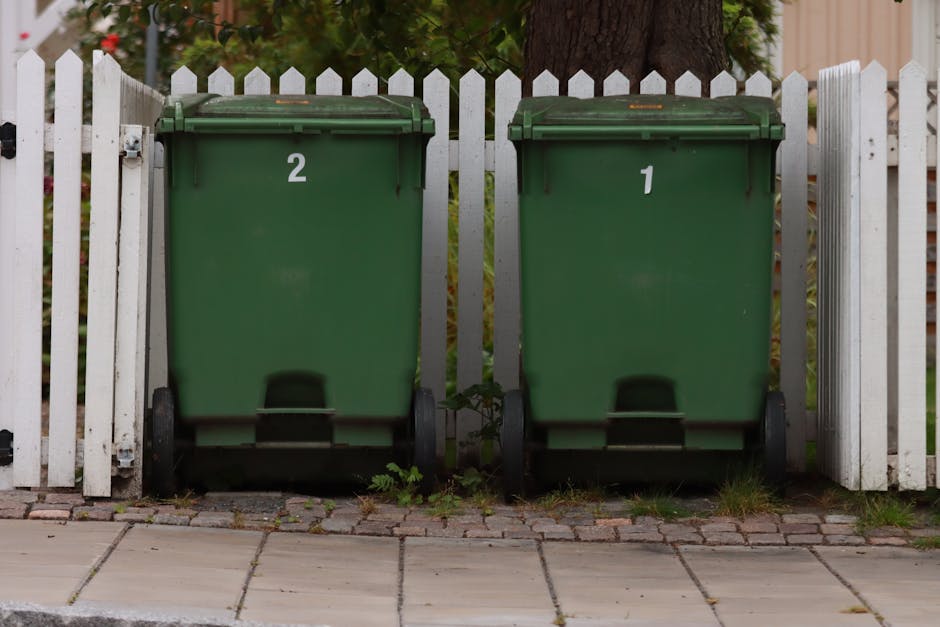
Clearing blocked communal bins in Woolwich estates: a practical guide for cleaner, safer shared bin areas
If you manage, live in, or maintain a block of flats in Woolwich, you'll know how quickly a small bin issue can snowball. One missed collection, a jammed chute, a few oversized bags, and suddenly the communal bin area smells, spills over, and becomes awkward for everyone. Clearing blocked communal bins in Woolwich estates is not just about tidying up; it's about keeping a shared space workable, safe, and respectful for the people who use it every day.
This guide explains what causes communal bins to block, how a proper clearance process works, who usually needs it, and what to look for if you're comparing services. You'll also find a checklist, a practical comparison table, and a few real-world pointers that are easy to miss until you are standing there, bin lid half open, wondering what on earth happened.
Table of Contents
- Why Clearing blocked communal bins in Woolwich estates Matters
- How Clearing blocked communal bins in Woolwich estates Works
- Key Benefits and Practical Advantages
- Who This Is For and When It Makes Sense
- Step-by-Step Guidance
- Expert Tips for Better Results
- Common Mistakes to Avoid
- Tools, Resources and Recommendations
- Law, Compliance, Standards, or Best Practice
- Options, Methods, or Comparison Table
- Case Study or Real-World Example
- Practical Checklist
- Conclusion
- Frequently Asked Questions
Why Clearing blocked communal bins in Woolwich estates Matters
Blocked communal bins create a chain reaction. Once residents cannot use the bin properly, waste starts piling up beside the container, collection crews may refuse access, and the whole area can become unpleasant very quickly. In a busy Woolwich estate, that usually means more than a minor inconvenience. It can affect hygiene, fire safety, accessibility, pest control, and how people feel about the place they live.
Let's face it, a communal bin store is one of those spaces that only gets noticed when something goes wrong. The smell hits first. Then the clutter. Then the complaints. And once bags begin to sit on the floor, it becomes harder for residents to use the area properly, even if they want to do the right thing.
There is also a practical management side to this. Estate managers, landlords, housing associations, and block committees often need fast, organised clearance to restore normal use before the problem spreads. If the issue is handled quickly, you avoid repeated overflow, extra cleaning, and the slightly awkward situation where everyone blames everyone else.
For providers and managers who need a more complete overview of service standards and site handling, the company's health and safety policy and insurance and safety information are useful reference points.
How Clearing blocked communal bins in Woolwich estates Works
In practice, clearing blocked communal bins is a mix of sorting, lifting, repositioning, and removing waste or obstructions so the bin area can function again. The exact method depends on the problem. A bin might be blocked because it is overfilled, the access route is obstructed, heavy items have been dumped inside, or the internal bin chamber needs a proper reset.
A good clearance process usually starts with an assessment. That means checking whether the issue is limited to one bin, whether the whole store is affected, and whether any health and safety concerns are present. If there are broken lids, sharps, liquids, pests, or compacted waste, the approach needs to be more careful. No one wants to discover that the easy-looking job is hiding a nasty surprise. And sometimes it does.
Once the situation is clear, the work may involve moving waste to restore access, removing unsuitable items, tidying the communal space, and separating material that can be recycled from general waste. In some cases, the team may also help identify why the blockage happened in the first place so it does not repeat next week.
For residents and building managers who want to understand how a job is organised from the first call onward, the company's pricing and quotes page is a sensible place to review how estimates are typically handled. For payments and booking confidence, the payment and security page also helps reassure cautious clients, which is fair enough in this day and age.
Key Benefits and Practical Advantages
The biggest benefit is simple: the estate works better when waste does not spill into shared areas. But there are several more practical gains too.
- Better hygiene: fewer bags on the floor means less smell, less mess, and less attraction for pests.
- Safer access: residents, caretakers, and collection teams can reach the bins without navigating around piled rubbish.
- Improved resident experience: people are more likely to use the bin area properly when it looks maintained.
- Reduced complaints: a tidy, functional bin store tends to cut down on recurring reports from residents.
- Lower risk of damage: overfilled or blocked bins can lead to broken lids, torn bags, and waste contamination.
- Better recycling outcomes: when rubbish is not just dumped everywhere, it is easier to separate recyclable material.
There is also a subtle but important point: a clean bin area sends a signal. It tells residents that the estate is being looked after. That matters more than people admit. A shared space that feels neglected can encourage more neglect. A maintained one usually does the opposite.
If sustainability matters to your estate, it is worth aligning clearance with the company's recycling and sustainability approach, especially where mixed waste and recyclable items need separating carefully.
Who This Is For and When It Makes Sense
This service is useful for a fairly wide group of people, and the trigger is usually obvious once the bin area starts misbehaving.
- Estate managers who need a quick reset after overflow, dumping, or missed collections.
- Housing associations dealing with recurring complaints about shared bins or waste build-up.
- Freeholders and managing agents responsible for keeping communal areas usable and presentable.
- Block residents or residents' committees who are trying to solve a local issue before it gets worse.
- Caretakers and facilities teams who need help with awkward or heavy clearance work.
It makes sense when bins are physically blocked, when waste is being left beside containers, when access is difficult, or when you are dealing with items that should not have been placed there in the first place. It also makes sense after a larger clear-out in the building, because bulky packaging and mixed rubbish can overwhelm a shared bin area fast.
Truth be told, some estates only need a one-off intervention. Others need a slightly deeper reset and a better routine afterwards. If you are not sure which camp you are in, that is normal. A proper site review tends to make the answer obvious.
Step-by-Step Guidance
Here is a practical way to think about the process from first sign of trouble to a usable bin store again.
- Check the blockage type. Look for overflowing waste, jammed bin lids, bulky items, or bags trapped behind containers.
- Make the area safe. Keep residents away if there are sharp objects, leaks, pests, or unstable piles.
- Identify what can be moved. Separate general waste from recyclables where possible, and flag anything contaminated or unsafe.
- Clear access first. The priority is often simply reopening the route so the bins can be used properly.
- Remove unwanted material. Take away accumulated bags, broken items, and anything preventing normal use.
- Check the bins themselves. Lids, wheels, handles, and internal spaces should be inspected for damage or compaction.
- Clean and reset the area. A quick tidy-up after removal helps stop the same issue from becoming immediate again.
- Review the cause. Ask whether the blockage came from excess waste, poor placement, collection timing, or resident misuse.
In a real estate setting, the final step matters most. Without a small follow-up plan, the bin area can drift back into chaos by Friday afternoon. It happens. A lot.
Expert Tips for Better Results
From a practical standpoint, the best results usually come from a little planning rather than a heroic tidy-up after everything has already gone wrong.
1. Treat the bin store like a shared system, not just a dumping point
If one resident starts leaving large items there, others often follow. Clear signage and predictable routines matter. People are more likely to behave well when the space looks ordered and the rules are visible.
2. Tackle the cause, not just the symptom
If the bin is always blocked on the same day, that may point to collection timing, too few bins, or residents not knowing what goes where. Clearing the blockage is one thing; preventing the next one is the real win.
3. Keep bulky items separate from daily waste
Large packaging, broken furniture, and renovation leftovers can ruin an otherwise tidy communal area. If you are managing a block where this happens often, it is worth setting a clear process for bulky waste rather than hoping it sorts itself out. It rarely does.
4. Choose a team that understands shared residential spaces
Communal bins in estates are not quite the same as a standard one-off clearance. Access can be tight, residents may be coming and going, and there may be noise-sensitive windows nearby. A team that works neatly and respectfully usually makes the whole thing smoother. You notice that sort of thing immediately.
If you need confidence before booking, review the company's working practices and insurance and safety details. Those pages are not glamorous, granted, but they matter more than people think.
Common Mistakes to Avoid
Most repeated bin problems are not caused by one huge failure. They are caused by small, boring mistakes that build up. Here are the big ones.
- Ignoring early overflow: once bags sit on the floor, the situation usually worsens quickly.
- Using the wrong bin for the waste: cardboard, food waste, and mixed rubbish all behave differently in a communal setting.
- Blocking access with bulky items: even one awkward item can stop proper collection.
- Skipping a post-clearance reset: if the area is left untidy, the next blockage arrives sooner.
- Assuming residents already know the rules: many do not, especially in mixed or high-turnover buildings.
- Choosing cost over suitability alone: the cheapest option is not always the one that solves the actual problem.
One small but important thing: don't wait for a perfect moment to fix a bin area. There usually isn't one. Waste builds on its own schedule, not yours.
Tools, Resources and Recommendations
The right tools depend on the size of the estate and the type of blockage, but a professional clearance job usually benefits from practical, low-drama equipment rather than anything flashy.
- Heavy-duty sacks and liners for separating and removing loose waste safely.
- Gloves and protective gear to reduce contact with sharp or contaminated material.
- Hand trolleys or moving aids for bulky or awkward items that should not be dragged.
- Labels or simple signage to guide residents after the area is cleared.
- Cleaning materials for the final reset once the blockage has been removed.
From a management point of view, the most useful resources are not always physical. A clear reporting route, a known contact, and a regular check on the bin store can prevent repeat issues. That is especially true in estates where the bin area gets busy first thing in the morning or just after school run time, when everyone seems to pass through at once.
If you are comparing services, the quotes and pricing information can help you understand how the work may be scoped before anything is booked. And for people who need the service delivered in a way that is considerate of different access needs, the accessibility statement is worth a look too.
Law, Compliance, Standards, or Best Practice
Clearing communal bins in Woolwich estates is usually less about a single dramatic legal issue and more about meeting normal standards of care, cleanliness, access, and safe working practice. That said, there are a few broad principles worth keeping in mind.
First, waste should be handled responsibly. Shared residential areas are not the place for unmanaged dumping, and if waste includes sharp objects, liquids, broken glass, or contaminated material, handling needs to be cautious. Second, work in communal spaces should avoid creating hazards for residents, staff, and visitors. That means keeping walkways clear, moving items safely, and not leaving waste in a worse condition than before.
Third, recycling and segregation matter where practical. Not every clearance will be perfectly sorted on the spot, but where materials can be separated without unnecessary contamination, that is generally the better outcome. For environmentally aware estates, a measured approach aligns well with the company's recycling and sustainability guidance.
There is also a trust side to compliance. Residents often ask, reasonably enough, whether the team is insured, whether the work is handled safely, and what happens if something goes wrong. That is why the pages on insurance and safety and health and safety are worth checking before booking. And if you ever need to know how concerns are handled, the complaints procedure gives a sensible route for feedback. Not exciting, no, but reassuring.
Options, Methods, or Comparison Table
Different estates need different approaches. The table below gives a simple comparison of common ways to deal with blocked communal bins.
| Method | Best for | Pros | Limitations |
|---|---|---|---|
| Resident-led tidy-up | Very small, obvious overflow issues | Fast, low cost, easy to organise | Can miss hidden waste and does not always solve the root cause |
| Caretaker or site-team clearance | Routine maintenance and minor blockages | Good for regular oversight and quick response | May not be practical for heavy, awkward, or repeated problems |
| Specialist communal bin clearance | Repeated overflow, bulky waste, access issues, or messy buildup | More thorough, safer, better for shared residential spaces | Usually requires booking and a clearer scope |
| Full waste area reset | Longstanding problems or neglected bin stores | Addresses the whole space, not just visible rubbish | Takes longer and needs more coordination |
For many Woolwich estates, the specialist route is the most practical. Not because every bin area is a disaster, but because communal spaces have a habit of being more complex than they first appear. One pile by the bins often tells a bigger story.
Case Study or Real-World Example
Here is a realistic example. A small estate near a busy road in Woolwich had a recurring issue with communal bins becoming blocked every couple of weeks. The problem was not just overflow; residents were leaving flattened cardboard, kitchen waste, and occasional bulky packaging all in the same area. By the time the managing agent was alerted, bin lids were stuck open and bags were being left beside the store.
The first step was a full clearance of the access area, followed by a tidy separation of what could be removed safely and what needed more careful handling. The practical breakthrough came afterwards, not during the clearance itself. The estate team adjusted the bin layout, put clearer guidance at eye level, and improved the routine for checking the area on collection days.
The result was not magical. Nobody is handing out trophies for neat bin stores. But the complaints dropped, collections became easier, and the smell around the entrance settled down. That's the kind of change people notice on a normal Tuesday morning. Simple, but genuinely helpful.
Practical Checklist
Use this checklist before, during, or after a communal bin clearance.
- Confirm which bin area is affected.
- Check for hazards such as sharps, leaks, or pests.
- Identify whether access is blocked by waste or by damaged bin units.
- Separate recyclable material where possible.
- Remove bulky items that should not be in the communal bins.
- Keep walkways and shared entrances clear.
- Inspect lids, wheels, and bin condition after clearance.
- Clean the immediate area once waste is removed.
- Put up or refresh signage if misuse is common.
- Agree a follow-up check so the problem does not return unnoticed.
Practical summary: if the bin store is merely untidy, a quick tidy may be enough. If it is blocked, smelly, hard to access, or repeatedly misused, you usually need a more structured communal clearance with a proper reset afterwards.
Conclusion
Clearing blocked communal bins in Woolwich estates is one of those tasks that looks small from a distance and feels much bigger in real life. It affects hygiene, day-to-day convenience, resident satisfaction, and the general sense that a building is being looked after properly. The good news is that with the right approach, most bin area problems are manageable and preventable.
Focus on safe access, sensible removal, a clean reset, and a plan to stop the same blockage from happening again. That combination does more than tidy a space; it restores order to a part of the estate people rely on every day, often without ever thinking about it until it goes wrong. And once it's back in shape, you feel the difference straight away.
Get a free quote today and see how much you can save.
If you would like a straightforward, local approach, start with the main Woolwich clearance service page and compare the options from there. A quick conversation now can save a lot of hassle later, which is usually how the best jobs go.
Frequently Asked Questions
What causes communal bins to get blocked in Woolwich estates?
Common causes include overfilling, bulky items dumped beside the bins, mixed waste placed in the wrong container, broken lids, and collection delays. In shared estates, a small problem often becomes a bigger one because several households rely on the same space.
How do I know if I need a professional clearance rather than a quick tidy-up?
If the area is repeatedly blocked, smells bad, has waste on the floor, or contains bulky or awkward items, a professional clearance is usually more sensible. A quick tidy works only when the issue is small and isolated.
Can blocked communal bins create health or safety risks?
Yes, they can. Overflowing waste may attract pests, create slippery surfaces, or hide sharp objects. In some cases, access routes can also become awkward for residents or collection crews, which is not ideal at all.
How long does clearing a blocked communal bin area usually take?
It depends on the size of the blockage and the layout of the estate. A small, straightforward job may be fairly quick, while a neglected bin store with bulky waste or access issues will take longer. The key is an honest assessment before the work starts.
Do you need permission to clear communal bins on an estate?
Usually the person or organisation responsible for the estate, such as a managing agent, landlord, housing officer, or residents' committee, should authorise the work. If you are unsure who is responsible, it is best to check before arranging anything.
What happens to recyclable waste during clearance?
Where practical, recyclable items should be separated from general waste to reduce contamination and support better recycling outcomes. The exact handling depends on the condition of the material and how mixed it is when the job begins.
How can estates stop communal bins from blocking again?
Clear signage, regular checks, correct bin placement, and a sensible bulky waste process all help. Sometimes a simple reminder to residents makes a surprising difference. Sometimes it doesn't, and then the layout or collection routine needs attention too.
Is this service suitable for housing associations and managing agents?
Yes. It is often most useful for housing associations, managing agents, freeholders, and site teams that need a fast and organised response to shared waste problems. Communal bin areas can be high-pressure spaces, and they need consistent handling.
What should I look for in a company handling communal bin clearance?
Look for clear safety information, proper insurance, a practical approach to recycling, transparent pricing, and responsive communication. A company that understands shared residential environments is usually a better fit than one that treats everything like a generic removal job.
Can I compare costs before booking?
Yes, and you probably should. A proper quote helps you understand what is included, how access and waste type affect the job, and whether any extra handling may be needed. The company's pricing and quotes page is a useful starting point.
What if I have a complaint about the service?
If something is not right, a clear complaints route is helpful. The complaints procedure explains how issues can be raised and handled, which is reassuring for anyone booking work in a shared setting.
Does accessibility matter in communal bin clearance work?
Yes, because estates are shared spaces and people use them differently. A considerate clearance should avoid blocking routes, should respect access needs, and should leave the area usable for everyone. The accessibility statement can help show how that is approached.
How do I start if the bin area is already badly blocked?
Start by making the area safe, then gather a clear description or photos if needed, and ask for a site-specific quote. A quick, accurate description usually gets you a better result than a vague "the bins are a mess" message, though to be fair, that message is still better than waiting another week.