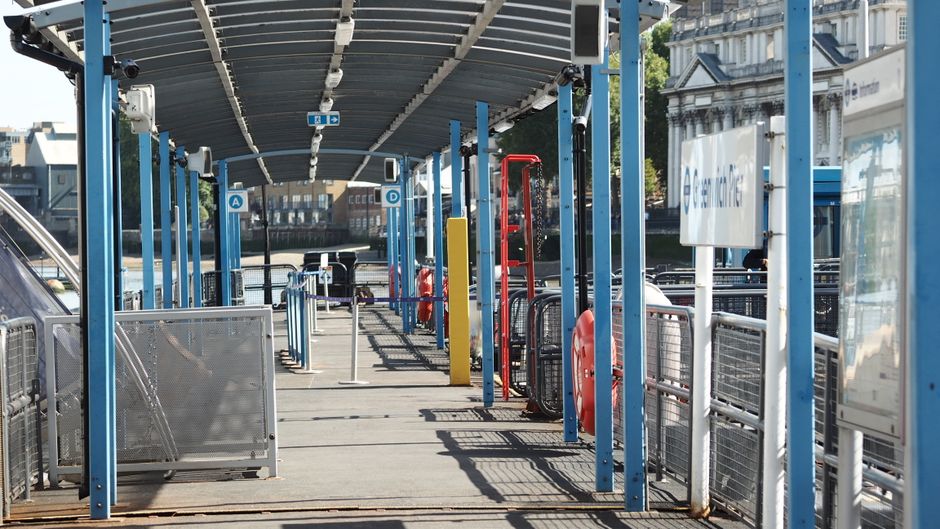
Woolwich Ferry drop off options for household rubbish: a practical guide for local residents
If you are trying to sort out Woolwich Ferry drop off options for household rubbish, you are probably after one simple thing: the easiest, safest way to get rid of unwanted waste without turning your weekend into a slog. Fair enough. Whether it is a broken chair, a few bags from a clear-out, or the kind of mixed household clutter that seems to multiply overnight, the decision is usually about convenience, cost, and what is actually allowed.
This guide breaks the topic down in plain English. You will see how drop-off options typically work near Woolwich, when they make sense, what to check before you load the car, and how to avoid the common mistakes that can cause delays or extra charges. If you want the short version, the best choice is the one that matches the type of waste, the amount you have, and how much time you want to spend dealing with it. Simple enough. Not always easy, though.
Why Woolwich Ferry drop off options for household rubbish Matters
Household rubbish is one of those jobs people tend to delay until it becomes impossible to ignore. A bag behind the door becomes two bags. A dead bedside cabinet sits in the hallway. Then the spare room starts looking like a storage unit with bad lighting. We have all seen it happen.
In an area like Woolwich, where homes can range from flats with tight stairwells to family houses with limited parking, the practicalities matter. Not every waste solution is convenient for every street, and not every item can go in a normal bin collection. That is where good drop-off options come in. They give you a way to remove waste responsibly when regular collections are not enough.
It also matters because the wrong disposal choice can create real problems: overflow in communal bins, fly-tipping risk, nuisance for neighbours, and avoidable stress if your rubbish is not accepted where you turn up. To be fair, most people do not need a lecture. They just need a clear plan and a decent idea of what to expect.
For households trying to stay organised, it is often cheaper and less disruptive to think through the whole disposal route first instead of making a rushed decision later. That means looking at what you have, how much of it there is, and whether a drop-off trip is the best fit compared with collection or full clearance.
How Woolwich Ferry drop off options for household rubbish Works
When people talk about drop off options, they usually mean taking waste yourself to an approved location or arranging a service that collects and removes it for you. The exact route depends on the type of rubbish, the amount, and whether you have access to a vehicle.
For household rubbish, the process normally begins with sorting. That sounds boring, but it saves headaches later. Separate general waste, recyclables, bulky items, garden cuttings, and anything that could need special handling such as electricals or sharp objects. If you mix everything together, you limit your options. A mixed load is often harder to deal with and may be refused in some situations.
Local residents around Woolwich often compare a self-drop-off journey with other routes such as house clearance, furniture removal, or general waste removal. The right choice depends on the job size. A couple of bags is not the same as a full garage clear-out, and the final mile matters more than people expect. If the route is awkward, parking is difficult, or the waste is heavy, a collection-based solution may actually be easier.
In practical terms, good drop off planning usually looks like this:
- Identify the rubbish type.
- Estimate volume and weight.
- Check what can be accepted together.
- Confirm access, opening times, and any restrictions before loading up.
- Choose the most efficient route: self-drop, collection, or a fuller clearance service.
That last step is where many people save time. You do not always need the cheapest-looking option. You need the option that fits your reality on the day. Small difference, big impact.
Key Benefits and Practical Advantages
There are real benefits to understanding your local drop-off choices before you start lifting bags into the car boot.
- Less clutter at home: rubbish moves out in one planned trip instead of lingering for weeks.
- Better control over timing: you can choose a slot that fits around work, school runs, or weekend plans.
- Improved sorting: handling waste properly often makes recycling easier and reduces unnecessary landfill.
- More predictable outcomes: you are less likely to arrive somewhere only to find your load is unsuitable.
- Reduced neighbour friction: fewer sacks in communal areas means less mess, smell, and irritation.
There is also a quieter benefit that people do not always mention: peace of mind. Once the rubbish is gone, the room looks bigger, the air feels clearer, and the job stops circling in your head. That is worth something, honestly.
For larger or awkward loads, using a dedicated service can be a better fit than making repeated journeys. For example, if you are clearing out a loft or dealing with old furniture, a targeted service such as house clearance can remove a lot of pressure in one go. If the items are mainly sofas, wardrobes, or tables, furniture disposal may be the more practical route.
Who This Is For and When It Makes Sense
This topic matters for a wide range of people, and not just those doing a full-on clear-out.
You may need a drop-off option if you are:
- clearing out a spare room, loft, shed, or garage
- dealing with bulky household items that do not fit in normal bins
- moving home and need to reduce the volume of unwanted stuff
- tidying after renovation or redecoration work
- sorting out mixed waste after a long-overdue declutter
- helping an elderly relative or family member downsize
- managing waste from a flat, maisonette, or shared building
It also makes sense if you only have a moderate amount of rubbish and want to avoid overpaying for a larger service than you need. That said, self-drop-off is not always the best answer. If you are dealing with heavy bags, awkward access, no suitable vehicle, or items that need careful handling, a removal service may save more time than a do-it-yourself trip.
A quick example: if you have two bin bags and a broken bedside table, a simple drop-off trip might do the job. If you have six bags, a mattress, a wardrobe, and a pile of oddments from the loft, the balance starts to shift. At that point, home-based removal can look a lot more sensible.
For lofts, garages, and general domestic clearances, pages like loft clearance, garage clearance, and home clearance are useful to compare against a self-drop-off approach.
Step-by-Step Guidance
If you want the process to run smoothly, it helps to treat it like a small project. Nothing dramatic. Just organised.
1. Sort the waste properly
Split the load into categories: general rubbish, reusable items, bulky furniture, garden waste, and anything that may need special handling. Keep sharp or messy items wrapped safely. If an item is still useful, consider whether it could be reused, donated, or sold before you pay to dispose of it.
2. Measure the amount you actually have
People often guess low. Then the boot is full and the rest is still on the pavement. Count bags, estimate size, and think in terms of boxes or furniture pieces. This helps you decide whether a small drop-off trip will be enough or whether a removal service would be less hassle.
3. Check the practical details before you leave
Look at opening times, access rules, vehicle restrictions, and whether the site accepts the waste type you have. If you are in a tight part of Woolwich or near the ferry route, factor in traffic, parking, and loading time. A ten-minute errand can turn into an hour if you are unlucky. Happens all the time.
4. Load safely and sensibly
Put heavier items low down, keep bags secured, and avoid stacking unstable pieces that could shift during the drive. A small blanket or sheet can help protect your car interior. And yes, it is worth taking five minutes to do this properly. A sharp edge through the boot lining is nobody's idea of fun.
5. Drop off or book the right alternative
If the load fits the rules, make the trip. If it does not, stop there and choose a better option. That could mean a larger collection, a furniture removal service, or a full household clearance. There is no prize for forcing the wrong method.
6. Keep records if the waste is unusual
If you are dealing with household waste that includes electrical items, construction debris, or anything that may trigger questions, keep a simple note of what was removed and when. That is just good practice. It can help if anyone later asks what happened to a specific item.
Expert Tips for Better Results
Over time, a few habits make the whole process smoother.
- Plan for one extra bag. Most clear-outs produce more than expected. Truth be told, a spare bag or box is rarely wasted.
- Separate reusable items early. Once everything is mixed together, useful items tend to get damaged or overlooked.
- Watch for hidden weight. Old books, tiles, wet garden waste, and broken appliances can be far heavier than they look.
- Think about timing. A mid-morning trip is often less stressful than rushing late in the day.
- Use the right service for the right job. Furniture, household waste, builders rubble, and garden cuttings are not all the same thing.
If you are clearing mixed waste from a renovation or tidy-up, it may help to look at builders waste clearance or waste removal rather than trying to make one self-drop-off solution do everything. That kind of mismatch is where people lose time and money.
One more thing: if you live in a flat or shared block, keep communal access in mind. Dropping bags beside bins and leaving them there overnight is usually a poor move. It attracts mess, smells, and complaints. Nobody wants that, especially not on a damp London evening when the bin area already smells like old cardboard and rain.
Common Mistakes to Avoid
Most waste problems start with a small assumption that turns out to be wrong. Here are the big ones.
- Turning up without checking what is accepted. This is the classic one. People arrive with a mixed load and discover part of it cannot go in.
- Overfilling the car. Unsafe loading can become dangerous on the road, and it makes unloading slower too.
- Mixing everything together. Recyclables, furniture, and rubbish are easier to manage when they are separated.
- Leaving it too late. The longer waste sits around, the more likely it is to smell, attract pests, or block useful space.
- Choosing the wrong service size. A tiny drop-off plan can be false economy if you end up needing another trip and another fee.
There is also a quieter mistake: assuming all unwanted items are equally easy to shift. They are not. A broken table and a bag of fabric offcuts are very different from a washing machine or a pile of soaked cardboard. If you have ever tried to wrestle an awkward item down a narrow staircase, you know exactly what we mean.
Practical rule of thumb: if you cannot explain your load in one sentence, it probably needs more sorting before you decide how to dispose of it.
Tools, Resources and Recommendations
You do not need a complicated toolkit, but a few basics make the job far easier.
- Strong refuse sacks or boxes: helps with sorting and lifting.
- Work gloves: useful for broken items, dust, and rough edges.
- Tape and labels: handy if you are separating items for different destinations.
- Blankets or old sheets: useful for protecting your vehicle and stabilising furniture.
- Measuring tape: especially useful for larger furniture or awkward items.
- Phone notes or checklist: ideal for keeping track of what goes where.
As for service choices, it is worth comparing not just the obvious route but the whole job. For instance, if the waste is mostly old household contents, flat clearance may be better than multiple individual drop-off trips. If the main issue is a pile of unwanted furniture, furniture clearance can make the process simpler. And if you are clearing larger domestic contents, house clearance often gives the cleanest outcome.
For residents trying to make a responsible choice, it is also worth considering recycling and sustainability. You do not need to become an eco-warrior overnight. Just making a more thoughtful decision about sorting and reuse is a good start.
Law, Compliance, Standards, or Best Practice
When household rubbish is involved, a little care goes a long way. You do not need to memorise regulations, but you do need to follow sensible UK waste practices.
The basics are straightforward: waste should be stored safely, not left to cause nuisance, and passed on only through lawful routes. That means using legitimate disposal or collection methods and not giving rubbish to anyone who cannot clearly explain where it is going. If somebody offers a suspiciously cheap shortcut, pause. Ask questions.
For households, the main practical issues are usually:
- sorting waste in a way that avoids contamination
- handling sharps, broken glass, and heavy items safely
- not blocking pavements, entrances, or shared bin areas
- making sure any service used is suitable for the waste type
- keeping an eye on items that may need special handling, such as electrical goods
If you are a landlord, property manager, or anyone responsible for a let property, your duties are broader. Waste left by tenants, dumped items, and poor storage around communal areas can become a management issue very quickly. That is why local guidance around waste duties for Woolwich landlords can be so useful, especially when a property needs to be turned around quickly.
Best practice is simple: avoid fly-tipping, avoid fly-by-night disposal, and choose a service that matches the waste and the legal expectation. That is not glamorous, but it keeps everyone safer and stops small jobs becoming bigger problems.
Options, Methods, or Comparison Table
Here is a practical comparison of the main routes people consider when dealing with household rubbish near Woolwich Ferry.
| Option | Best for | Pros | Watch-outs |
|---|---|---|---|
| Self drop-off | Small to moderate loads you can transport safely | Flexible, direct, often straightforward | Requires sorting, vehicle access, and time |
| General waste removal | Mixed rubbish that needs collecting from home | Less lifting for you, good for awkward loads | Needs booking and may cost more than self-drop |
| House clearance | Larger domestic clear-outs or multiple room contents | Efficient for big jobs, less hassle overall | May be more than you need for a small amount |
| Furniture clearance | Bulky sofas, tables, wardrobes, and similar items | Ideal for large or heavy pieces | Not useful if the load is mostly bagged rubbish |
| Garden clearance | Soil, branches, cuttings, and outdoor waste | Good for outside jobs and seasonal clear-outs | Garden waste should be kept separate from general rubbish |
If the job includes more than one waste type, combining services can be smarter than trying to force everything into one trip. For example, old garden waste and old furniture rarely make the same trip easier. They just do not. A tidy plan beats an overloaded boot every time.
Case Study or Real-World Example
Here is a realistic scenario from the kind of job many Woolwich residents face.
A family in a first-floor flat had spent months storing unwanted items in a corner of the living room: two bags of mixed household rubbish, a broken dining chair, an old lamp, a small chest of drawers, and a few boxes from a wardrobe clean-out. At first, they considered making two separate drop-off trips. Once they added up the time, lifting, and parking trouble, that plan started to look less attractive.
Instead, they sorted the items into three groups: reusable, bulky furniture, and general waste. The reusable items were set aside for later use or disposal alternatives. The furniture was dealt with through a dedicated route, and the bagged waste was handled separately. The result was less back-and-forth, no awkward car boot Tetris, and a much faster clear-out. The flat looked different by the end of the day. Lighter, somehow.
The lesson is simple. A bit of planning beats a last-minute scramble. If the load is mixed, the smartest answer is often to split the disposal route rather than trying to make one option do everything.
Practical Checklist
Use this checklist before you move any household rubbish near Woolwich Ferry.
- Have I sorted the waste into sensible categories?
- Do I know what can and cannot go together?
- Have I checked the likely volume and weight?
- Do I have safe transport for the load?
- Have I confirmed the practical access and timing?
- Would a clearance service be easier than a self-drop-off trip?
- Are there any items that need special care, such as glass, electricals, or sharp metal?
- Have I kept reusable items separate?
- Is the chosen option legal, safe, and suitable for the waste type?
- Do I have a backup plan if the first option does not fit?
Quick takeaway: if you can tick most of those boxes, you are in good shape. If not, pause and choose a better route before the job gets messy.
Conclusion
Finding the right Woolwich Ferry drop off options for household rubbish is really about matching the waste to the method. Small, well-sorted loads may suit a self-drop approach. Larger, heavier, or mixed household jobs are often better handled through a tailored clearance or removal service.
The best result is usually the one that saves time, keeps things safe, and avoids a second trip. That is what most people want at the end of the day. A clear room. A clear plan. No lingering bags by the door.
If you are weighing up the next step, compare the size of the job, the type of waste, and the effort involved before you decide. A little planning now can save a lot of faff later, and that is one of those rare small wins that actually feels good.
Get a free quote today and see how much you can save.
Frequently Asked Questions
What are the main Woolwich Ferry drop off options for household rubbish?
The main options are self-drop-off for suitable small loads, general waste removal for mixed rubbish, and fuller services such as house or flat clearance when the job is larger. The right choice depends on the amount and type of waste.
Can I put all household rubbish together?
Sometimes, but not always. Mixed rubbish is harder to process and may include items that need special handling. Sorting waste into categories first usually gives you more flexibility and fewer surprises.
Is it better to drop rubbish off myself or book a collection?
If the load is small, easy to carry, and you have the right transport, self-drop-off can work well. If the waste is bulky, heavy, or awkward to move, a collection service is often the easier option.
What household items are most likely to cause problems?
Bulky furniture, electrical items, broken glass, wet waste, and heavy mixed loads are the usual troublemakers. They take more effort to move and are more likely to be refused if they are not prepared properly.
Do I need to sort furniture away from general waste?
Yes, ideally. Furniture is often best dealt with through a furniture disposal or clearance route rather than mixed in with ordinary bags of rubbish. It makes loading, handling, and disposal much simpler.
How do I know if a service is suitable for my waste?
Start by matching the service to the waste type and volume. For example, bagged rubbish may suit general waste removal, while old sofas or wardrobes are better matched to furniture disposal. If you are unsure, a fuller house or home clearance option may be more practical.
What if I only have a few bags of rubbish?
For a small amount, self-drop-off can be a sensible choice if you can transport it safely. Just make sure the waste is sorted and that the destination accepts the type of material you have.
Are there special concerns for flats and shared buildings?
Yes. In flats, waste can quickly become a communal issue if it is left in hallways, beside bins, or in shared access areas. It is better to move waste out cleanly and quickly rather than leaving it to cause nuisance.
Can I use the same approach for garden waste and household rubbish?
Not always. Garden waste and general household rubbish are often handled differently, so separating them usually leads to better results. A dedicated garden clearance route can be more efficient for outdoor waste.
What should I do before moving rubbish in my car?
Check the load for sharp edges, loose items, and weight distribution. Protect the vehicle interior if needed, and make sure nothing can shift during the journey. It sounds basic, but it saves a lot of hassle.
How can I avoid making a mistake with bulky items?
Measure them first, think about access, and decide whether moving them yourself is realistic. If you have to wrestle them through narrow stairs or tight corners, that is often a sign a removal service would be better.
What is the safest way to decide between drop-off and clearance?
Use three questions: how much waste do I have, what type is it, and how much effort will it take to move? If any of those answers make the job feel awkward, a clearance or removal service may be the calmer option.
And that is usually the trick, really. Pick the route that keeps the day moving, not the one that gives you another chore later. Small, sensible choices add up.